Style effortlessly. Live confidently.

Outfit Decisions

Outfit Decisions

How do I declutter my closet for spring and stop buying the same mistakes every year?

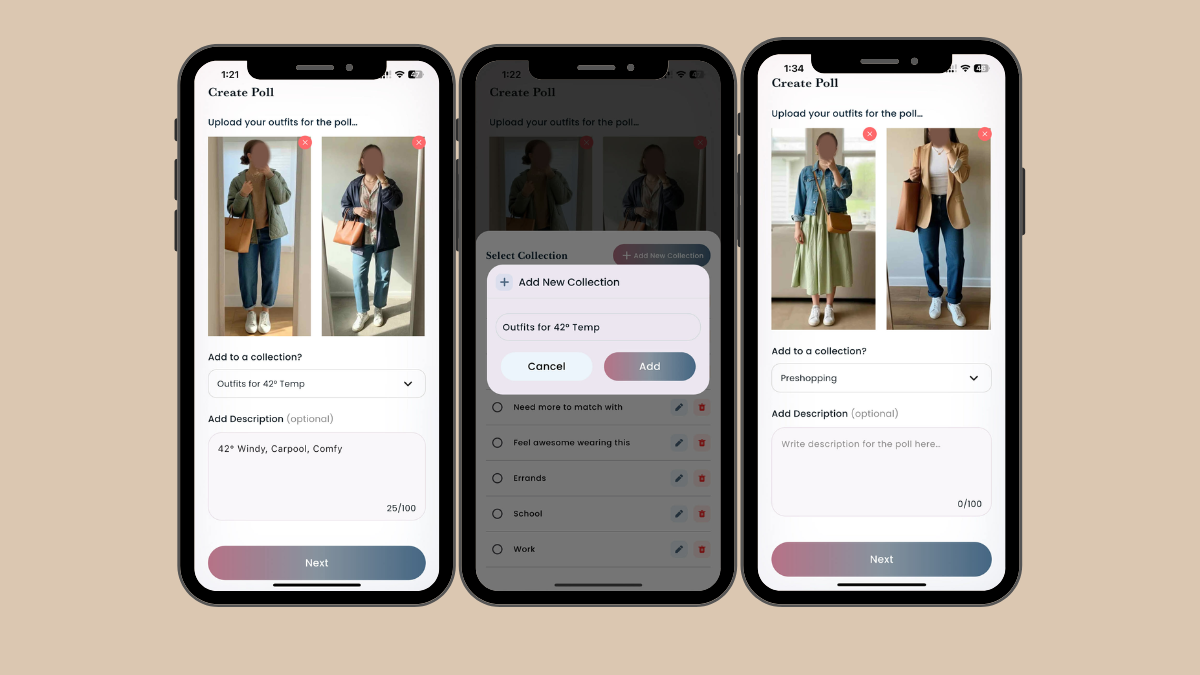
Quick Answer + Do Today TL;DR: Build a closet declutter chart from photo proof: review March–June outfits, tally repeats, and sort by cost-per-wear. Use that data for decluttering clothes, then write a short Replace list and a specific Gap list so you know how to shop your own closet before you shop stores. Do this: Scroll March–June photos and tally each item’s appearances. Then: Make 3 piles: Keep (proven), Replace (worn out), Release (never chosen). Next: Write gaps as wearable specs (temp + fabric + shoes + layer). Stop when: You can name 5 outfits per new “gap” item. AMC move: Post a 2-photo poll (before/after), then save the winner to a Collection called Spring Outfits so you don’t forget what works. Your spring closet declutter starts with evidence, not emotion. With this quick method you don't even need a chart or list or rules for wears. Before you touch a single hanger, scroll your camera roll from March through June 2025. Check last spring's Instagram Posts or Snaps. What did you actually wear when it was 68 degrees? What showed up at Mother's Day brunch? What disappeared completely even though you bought it "for spring/summer"? Count how many times that white linen shirt appears versus your "favorite" printed sundress. If those $98 linen pants got worn fifteen times, that's $6.50 per wear. If that $150 maxi dress shows up once in June, you have just proven something about your real life. This photo audit becomes your roadmap for decluttering clothes and shows you exactly how to shop your own closet next season so you don't make or buy the same mistakes twice. Start the photo habit today if you missed last year If you didn't take photos last year, set a daily 8:30am reminder starting today. Take one photo before you leave: shoes on, full outfit in frame. Blur the background and your face if you want. Post it as a poll in Adjust My Crown with a three-word comment: temperature, weather, occasion. Examples: "42° windy, carpool, comfy" or "68° sunny, errands, loved this." Save every poll into a Collection organized by month or temperature range. By May you'll have three months of data. By next January you'll know exactly what you wore during every spring temperature shift, and your 2027 closet declutter chart session will take fifteen minutes instead of three hours. Even starting today, scroll back through January 2025 to now and tally what you've worn on repeat this winter to guide your current sort. Shop for real gaps only after you have proof After decluttering clothes with photo evidence, look at your images for actual gaps. Wore that white tee eight times but it's pilling and stretched? Add "short-sleeve cotton tee, white, fits like old one" to your Replace list. Wore your denim jacket constantly in April but had nothing for 70-degree mornings? Add "lightweight layer for 65-75°, works with jeans and dresses" to your gap list. Be specific "Spring dress" is not a gap. "Midi dress, breathable fabric, works with sneakers and denim jacket" is a gap based on your real outfits. When you're torn between two options, run a pre-shopping poll in Adjust My Crown before you buy. Post two screenshots or fitting room shots side-by-side and let real votes break the tie. 1:5 Rule If you can't name five existing outfits the new piece slots into, you don't need it yet. Your closet doesn't need more "nice things" sitting unworn. It needs connectors that make your proven favorites work harder. That's how to shop your own closet first and shop stores smarter second. What should I look for in my camera roll before decluttering? Check March–June photos and tally what you actually wore at common spring temps and events. Repeats and cost-per-wear tell you what to keep, replace, or release. What if I don’t have outfit photos from last spring? Start now with one daily outfit photo plus notes (temperature, weather, occasion). You can also review photos from January 2025 to today to identify current repeats. How do I tell a real gap from a shopping craving? A real gap shows up in your photos as a missing connector (layer, shoe, or basic) that would improve outfits you already wear. Write it as a specific spec, not a vague category. What is the 1:5 rule? If you can’t name five existing outfits the new item fits into, don’t buy it yet. This filters out “nice things” that won’t earn repeat wears. When should I stop decluttering and start shopping? Stop when your Replace list is clear and your Gap list is specific and small. Shop only for items that solve proven outfit problems, not imagined ones.
Read More »
Outfit Decisions

What Should I Wear When I Don’t Know How Dressy to Be?

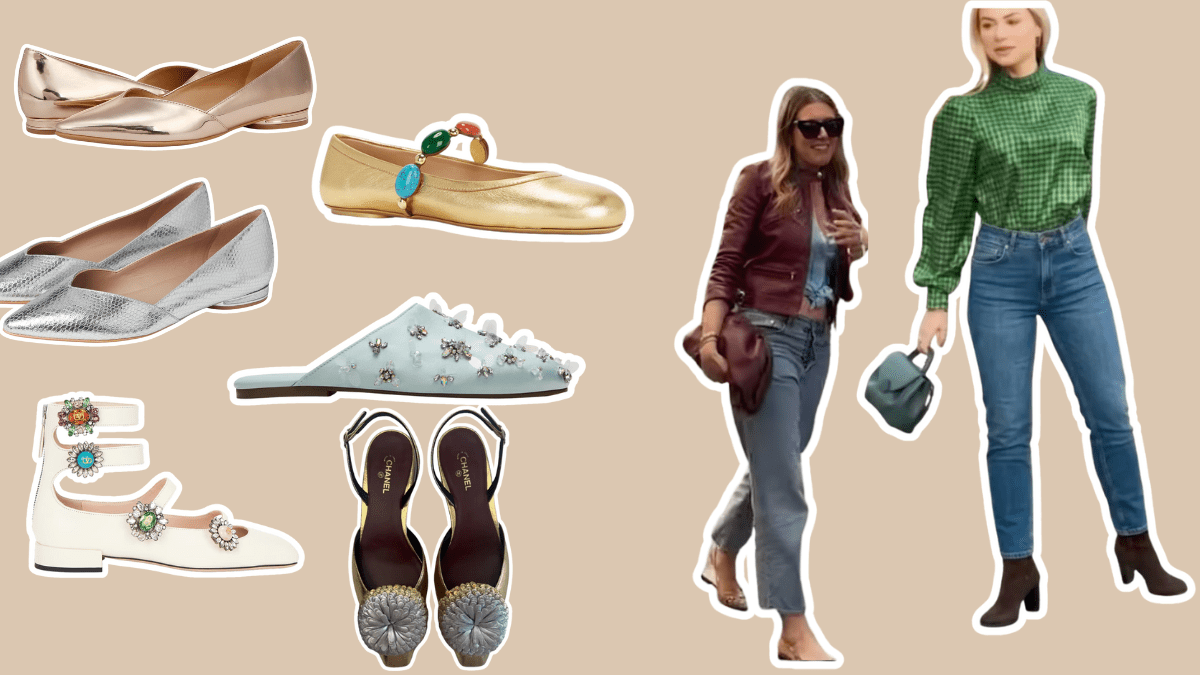
Quick Answer + Do Today TL;DR: When you’re unsure how dressy to be, build a “swing” outfit around power pieces that read elevated and casual. Start with what should i wear rules: add shine (metallic or embellished flats), use your best jeans to ground it, and finish with a silk/satin blouse. For what should i wear today panic, keep one outfit that can choose your outfit for you fast. Do this: Pick one “power piece” (metallic flats, embellished flats, great jeans, or a silk/satin blouse). Then: Build two versions: one notch dressier, one notch more casual. Next: Swap only ONE element (shoe, top, or blazer) to adjust the vibe. Stop when: Both versions look intentional, not “trying to guess.” AMC move: Post a 2-photo poll (before/after), then save the winner to a Collection called not sure how dressy?? or power pieces so you don’t forget what works. Power Pieces that Straddle Dress Codes You get an invitation. It says "dressy casual" or "festive attire" or worse, nothing at all. You text three friends. You google it. You're still panicking and "what should I wear?" is on a constant loop in your mind. A black tie dress is obviously too much. But jeans and a sweater might be too little. Maybe you're meeting a new group of friends for dinner and you don't know how they treat dinner dressing. And once you're there, you can't undo it. The goal isn't to nail the exact dress code. The goal is to wear pieces that work no matter which way the room swings. That means you stop shopping for "the perfect outfit" and start shopping your closet for some power pieces that look equally right dressed up or dressed down. What Makes a Power Piece Actually Work A power piece isn't neutral. It's not boring. It's a piece that carries visual weight in both directions. A cocktail dress with heels is a full dressy look—it can't swing casual. A plain tee and sneakers can't swing dressy. But a metallic flat can. A great pair of jeans can. These pieces let you show up confident because they adapt to the room, not the other way around. If you're stuck between two versions of an outfit, post a side-by-side poll in Adjust My Crown before you leave. Real votes tell you which one feels more like you. The winner is saved for the next time you're in this situation. Power Piece 1: Metallic Flats Metallic flats are the Swiss Army knife of what should i wear today decisions. The metallic finish reads as party. It's shiny. It catches light. It says you made an effort. But it's also a flat, which keeps it grounded. If the room turns out to be more casual than you thought, you're fine, because flats never feel overdressed the way a stilleto could. Pair them with a silk blouse for a dressier swing. Pair them with dark jeans, a fitted tee, and a scarf for casual. Either way, the metallic does the work. You look intentional, not confused. Power Piece 2: Embellished Flats Embellished flats work the same way. Think bows, crystals, studs, velvet, patent leather—anything that adds a little visual interest. The embellishment says festive. The flat says practical. Together, they say you knew exactly what you were doing. These work especially well when you're worried about being too casual. Throw them on with dark jeans and a blazer, and suddenly your jeans don't read sloppy—they read editorial. The shoes do the elevating. Power Piece 3: Your Favorite Jeans Yes, jeans. But not just any jeans—your best-fitting, most-flattering pair. The ones that make you feel pulled together even when you're not trying. Jeans feel casual by default, but paired with a silk cami, metallic flats, a structured blazer, or a sequined top, they swing dressy fast. This is the outfit move that saves you when you truly cannot figure out the vibe. Jeans ground the look. The top elevates it. And if everyone else is in dresses, you look like you choose your outfit on purpose, instead of like you missed the memo. Run a poll if you're not sure which top works better. Wear the combination that gets the most votes. That's your repeatable go-to for the next unclear invite. Power Piece 4: A Silk or Satin Blouse A silk or satin blouse in a rich color—burgundy, emerald, navy, even cream—carries enough visual weight to dress up anything. Tucked into trousers with heels, it's polished and dressy. Tucked into jeans with flats, it's effortless but elevated. The fabric does the work. Look for something with a little drape or a subtle sheen. Avoid anything too stiff or obviously "work blouse." You want a piece that feels special but doesn't scream occasion. This is the top you reach for when you need to look like you tried—but not like you overthought it Build A Versatile Wardrobe, Not One-Time Outfits The reason 'what should i wear' feels so stressful is because most of us build outfits for specific events, and then never wear them again. That's expensive & exhausting. And it fills your closet with things that only work once, and need to be decluttered. Power pieces work because they repeat. You wear them multiple ways. You test combinations in side-by-side photos. They're saved into Collections in Adjust My Crown so you're not starting from scratch next time. And over time, you stop needing to guess the dress code, because your wardrobe is built to swing either way. What should I wear if the invite has no dress code? Start with a “swing” base (great jeans or a simple dress) and add one elevating power piece like metallic/embellished flats or a silk/satin blouse so you can read the room without looking unsure. Can I wear jeans to a dressy dinner? Yes—if they’re your best-fitting pair and you elevate the rest: silk/satin on top, a structured blazer, or a festive shoe. The goal is intentional contrast, not “I forgot to

Read More »
Outfit Decisions

Casual Outfit Ideas for Spring: 4 Poll Formulas for Cute Outfit Ideas

Quick Answer + Do Today TL;DR: For casual outfit ideas for spring that don’t look random, use one clear formula and only swap one variable at a time. Pick one “shape” piece, then add one anchor that looks intentional. Poll your options so cute outfit ideas become repeatable, and keep outfit ideas jeans to one clean look so getting dressed stays simple. Do this: Build two outfits with the same base silhouette. Then: Change only one thing (shoe OR bag OR waist definition). Next: Post both in AMC as a quick poll. Stop when: The winner looks “finished.” AMC move: Post a 2-photo poll (before/after), then save the winner to a Collection called Spring Casual Outfit Ideas so you don’t forget what works. 1 Jean Outfit and Only 1 Spring Floral Shown If winter was “don’t get swallowed by layers,” spring is “why does this look random when the pieces are cute?” Spring outfits can go sideways fast because the layers are lighter (but still necessary), the proportions show more, and suddenly your outfit feels unfinished. One fix is the same as yesterday’s winter post: balance volume and make one thing look intentional. The difference is spring volume comes from shape (sleeves, peplum, wide-leg pants, flowy dresses), not bulky coats. Open the Adjust My Crown app, post two options, and let the vote tell you which look is actually giving “polished” instead of “close enough.” The winner is automatically saved, because cute outfit ideas aren’t helpful if you can’t repeat them quickly and easily. Poll Formula #1: Outfit ideas jeans = jeans + a pretty top + one grown-up accessory This is the easiest spring upgrade when you want outfit ideas jeans that still feel fresh. The jeans keep it casual, the pretty blouse brings the “cute,” and the structured bag makes it look intentional instead of basic. This is the sweet spot for spring casual outfit ideas: comfortable, not boring. In the Adjust My Crown app, poll this exact formula by swapping only one piece: pretty blouse vs plain tee. Let the votes tell you what looks best on your body and save the winner. Poll Formula #2: Wide pants need a waist (or they start looking sleepy) These are the spring pants everyone loves… until they feel like pajamas. The fix is right here: define the waist with a tie, belt, or shaped top so the volume looks styled instead of accidental. This is how you get cute outfit ideas that still feel polished. In Adjust My Crown, post two versions: wide-leg pants with a waist-defining top vs wide-leg pants with a boxy top. The vote will make the decision for you, and then you save it for next time (because spring is too chaotic to reinvent outfits daily. The temperature swings are so dramatic that it’s a lot easier to come up with a spring outfit if you’ve been saving them with the temperature in the Comments). Poll Formula #3: Loose + loose is allowed… but only if it’s clean and sharp This is the spring rule-buster: loose top + loose pants can absolutely work. But it only works when the pieces are crisp, the colors are simple, and the finishing details aren’t sloppy. The shirt tuck shows that there is a waist. This is one of those spring casual outfit ideas that looks cool in theory and tragic in the wrong fabric. In the Adjust My Crown app, poll the “clean factor”: same outfit with a sleeker shoe vs a clunkier shoe, or structured bag vs slouchy bag. Tiny tweaks, big results. Poll Formula #4: Spring dresses aren’t “done” until you add one anchor These dresses are proof that spring style can be effortless… but not lazy. A dress is a full outfit, yes, but it still needs one anchor so it doesn’t look like “I threw this on and ran.” The anchor can be a bag, a shoe choice, a belt, or even just a more intentional silhouette. These are cute outfit ideas that get even better with one small styling decision. In Adjust My Crown, post the dress with two shoe options (flat vs sandal, sneaker vs sandal) and save the winning combo so you always know what to wear when spring weather can’t make up its mind. AMC Move (use this weekly in spring) Save spring outfits in a Collection called Spring Casual Outfit Ideas, Cute Outfit Ideas, or Outfit Ideas Jeans, with the temperature (and anything else important to you) under the pictures, so getting dressed becomes a repeatable system, not a daily debate. What’s the easiest spring formula when you want to look “put together”? Pick one main piece that sets the vibe, then add one grown-up anchor (structured bag, sleek shoe, or defined waist). Keep everything else simple so the look reads intentional. How do I wear wide-leg pants without looking sleepy? Give them a waist: belt, tie detail, or a shaped top that shows where your torso ends. Then keep the shoe clean so the volume looks styled, not slouchy. Can loose top + loose pants work in spring? Yes, as long as the fabrics are crisp and the finishing details are sharp. Add a tuck (full or half) and choose one structured element (shoe or bag) to prevent “unfinished” energy. How do I make a spring floral dress look styled, not tossed on? Add one anchor: a belt, a sharper shoe, or a structured bag. Poll two versions (same dress, different anchor) and save the winner so you always know the “finished” combo. What’s the best way to run an outfit poll so the results are actually useful? Change one variable at a time and keep everything else identical. Save the winning combo with a note about the temperature so you can repeat it on a similar day. The incomparable Kelly Rutherford featured prominently in images.

Read More »
Outfit Decisions

What Should I Wear Shopping So I Don’t Buy the Wrong Stuff?

Quick Answer + Do Today TL;DR: A smart shopping outfit is a “try-on uniform” that mirrors what you actually wear, so items have to work with your real-life basics (not store lighting or mannequin styling). Build your shopping day outfit from your most-worn pants, throw-on shoes, correct bra, and baseline top, then use a quick pairing test to decide how to shop for clothes without duplicates or regret. Do this: Wear your most-worn pants + throw-on shoes (errands-level, not “special occasion”). Then: Add your correct everyday bra and your baseline top (the one you repeat most). Next: In the fitting room, test every item with your uniform and ask, “What 3 things at home will I wear this with?” Stop when: You can name 3 real outfits you’ll repeat (or it’s a no). AMC move: Post a 2-photo poll (before/after), then save the winner to a Collection called Try-On Uniform so you don’t forget what works. How does my shopping day outfit stop dressing room delusion and closet clutter? Your shopping outfit is about preventing dressing room delusion—that moment when something looks amazing under store lighting with coordinating pieces nearby (instead of things you own), then you get it home and it matches nothing (and you're dressing like a store mannequin which is boring and other people will show up in the same look). The item wasn't wrong. Your testing environment was. So you grabbed all the pieces around the item. Now you look like a walking brand advertisement. The Try-On Uniform solves this by turning your shopping day outfit into a repeatable formula that represents your actual life. Not your aspirational life. Your real Tuesday morning default. This one shift catches bad purchases before you buy them and eliminates return regret before it starts. Why Most Records of What You Own Fail When You're Shopping Using your phone's Photos app: You're hunting through vacation pics and screenshots to find that one photo of your favorite jacket—no organization, no search function, no pattern recognition. Relying on memory: You forget the four pink sweaters already hanging in your closet and which neutrals you actually reach for versus the ones gathering dust. Layflat outfit-planning apps: You spend 40 minutes arranging theoretical outfits on your bed instead of learning what you actually wear—they don't capture real body feedback or show which combinations you repeat. Adjust My Crown is different because it captures real wear data. When you post side-by-side polls, those outfits auto-save to Collections. Over time, you build a searchable archive of your true style defaults, on your own body which shows your proportions, which is exactly the data you need when shopping for clothes. How to Use AMC While Shopping Before you go: Collections show you what you never wear, which prevents repeat mistakes. If you own five pairs of black pants but only one appears in Collections, stop buying black pants. You can also run preshopping polls on items you're considering—post screenshots and let your community vote before you drive to the mall. During your trip: Scroll through Collections while standing in the fitting room. Search for "pink" or "cold weather" if you tagged your polls. Trying on another pink sweater? Check how many you already own and actually wore. Maybe that justifies it, or maybe you should buy the olive green option that matches the scarf you wear constantly. Take fitting room photos and post real-time polls if you want opinions. The side-by-side format forces clarity: "New skirt with my daily sneakers vs. new skirt with boots I never wear." The Five Try-On Uniform Rules 1. Wear your most-worn pants—not your favorite, the ones you grab three times a week. Check Collections to confirm. 2. Wear your throw-on shoes—the ones for errands and pickup, not the heels that never appear in your saved outfits. 3. Wear the correct bra—if the new item requires a strapless bra you don't own, that's a $60 add-on cost. 4. Wear your baseline top—the white tee, fitted tank, blue button down, black sweater that appears in Collections most often. 5. Check Collections in the store—before you buy, ask: Do I already own this? Do I wear items like this? What will I pair this with at home? What to Do Tonight Open Adjust My Crown and scroll through Collections. Write down the three items that repeat most often. That's your Try-On Uniform. If you don't have enough data yet, start posting daily polls this week—even for outfits you're sure about. You're building evidence that prevents regret purchases later. Save it in a Collection called "Try-on Uniform". Next time you go shopping, wear that uniform and open Collections in the fitting room. If something looks good with your real defaults and doesn't duplicate what you already wear, and you love it, it's a heck yes. If it only works with items you never reach for, it's a no. The dressing room mirror can lie, but your Collections data doesn't. What should I wear shopping if I’m buying tops? Wear your most-worn pants, your everyday bra, and your default shoes so tops are forced to work with your real proportions and daily styling. How do I avoid “dressing room delusion” under store lighting? Stop styling items with the store’s perfect add-ons. Use your try-on uniform and only say yes if it works with your real-life basics in a fast 3-outfit test. What’s the fastest rule to stop closet duplicates while shopping? Check what you already repeat (your saved outfits/Collections), then don’t buy another version unless it clearly replaces a worn-out workhorse or fills a proven gap. Should I take fitting room photos when I shop? Yes, if you use them for decision-making (not perfection). Take two quick comparison photos and either run a poll or compare “with my daily shoes” vs. “with fantasy shoes.” How do I know when something is a “heck yes”? If it works with your uniform, you can name three repeatable outfits, and it doesn’t duplicate what you already wear, it’s

Read More »
Outfit Decisions

How to pick your outfit fast when everything feels “meh”

FAQ Q: What if both options feel bad?A: Fix one variable first (shoes for comfort, layer for temperature, neckline for sensory comfort), then rebuild two real options and decide again. Q: What if both options feel good?A: Great. Pick based on your day’s priority (comfort, confidence, practicality). If both are true “heck yes,” post the two-photo poll and let the votes break the tie. Q: How do I stop impulse shopping when I feel meh?A: Don’t shop to solve a mood. Run Two Options Only, then write down what was missing (if anything). A “maybe” purchase is a no. What should I wear today? If you’ve been using the app already, start with the fastest shortcut to pick your outfit: open Adjust My Crown and check your Collections for a proven outfit that already works for the weather and activities. When you find a match, you’re done (and you’re reminded of the power of the Comments section under the outfit pictures – temperature data, who you’re around, etc). No brainstorming, no trying-on spiral, no “maybe” pile mess waiting for you after school or work. If nothing fits (hello to the joy of an everchanging woman’s body) or you want to style something new, move on to the Two Options Only rule below and treat it like a quick experiment: two real outfits, one clear choice, saved for next time. If you want this to become automatic, treat it like a 12-week experiment (Thu 1/22 through 4/16): the goal isn’t constant “wow” outfits. The goal is faster mornings and more repeatable winners, though more “wow” outfits than not would be the ultimate goal, but that gets into styling (which is easier than you think). This post is focused on helping you pick your outfit and quickly, with no mess waiting on you and it is applying James Clear’s atomic habits princple to an area often overlooked, but more important than we give it credit for: your outfits! Set an alarm on your phone to remind you ‘take pic & post it on AMC’ so you don’t forget. Save your deicsion making power for bigger stakes decisions, that inevitably will come later today. We make approximately 35,000 decisions a day. That’s roughly 2,000 decisions per hour, or one decision every two seconds. waste your decision making on something you had already decided on (you wore it, but you forgot what with)? Steps (the Two Options Only rule, plus the night-before shortcut) The rule: you get two complete outfit options, and only two. Not two tops, three pants, four shoes. Two outfits you could actually walk out the door in. Better yet, decide the night before. Your morning brain is not the one you want running a fashion committee. Do it like this:(1) Pick a base first (pants/skirt/dress).(2) Build Outfit A as your “safe/clean” version.(3) Build Outfit B as your “braver/more-you” version.(4) Run the outside test on both. If you wouldn’t step outside right now, it’s not a real option.(5) Commit: if both pass, choose the one that solves today’s biggest constraint (comfort, weather, dress code, confidence).(6) Decision finished. This is where you stop negotiating with yourself. The rule only works if “maybe” is not allowed in the room. Use these photos like a menu. Pick two that feel meaningfully different, then do a 2-photo poll in Adjust My Crown. The point isn’t being “right.” The point is: decide fast, wear it, (saved automatically in AMC), repeat it. Your Collections become your outfit memory, especially when you leave yourself a Comment like “cold office,” “school pickup,” or “felt confident.” Example 1: Low-energy day, still want “put together” –Option A (safer / calmer): Photo 8 (gray sweater + jeans)–Option B (braver / sharper): Photo 6 (cream jacket + jeans + black bag)Rule: Choose B if you need “armor.” Choose A if you need ease.AMC move: Post 8 vs 6 as a 2-photo poll. Save the winner to a “Easy Wins” Collection. Example 2: Hot day. You want easy, not sloppy. –Option A (safer / classic): Photo 3 (striped midi dress)–Option B (braver / playful): Photo 4 (yellow set)Rule: Choose A if you want “simple and pretty.” Choose B if you want “fun on purpose.”AMC move: Poll 3 vs 4, then add a Comment like: “Hot day / sandals / felt confident.” Example 3: Weekend casual… but make it intentional –Option A (safer / familiar): Photo 9 (stripe tee + straw bag + sandals)–Option B (braver / styled): Photo 7 (floral blouse + sneakers + structured bag)Rule: Choose B if you want compliments. Choose A if you want invisible comfort.Devil’s advocate: If you keep choosing “safe” every weekend, don’t be surprised when your style feels boring. B is how you practice. Example 4: You need to look crisp during the day (errands + humans) –Option A (safer / neutral chic): Photo 5 (sage jacket + white jeans)–Option B (braver / color-confidence): Photo 11 (pink blouse + white pants + blue shoes)Rule: Choose A if you want “quiet polished.” Choose B if you want “memorable.”AMC move: Poll 5 vs 11 and name the saved winner Collection: “Crisp Daytime.” Example 5: Feminine day—romantic vs modern –Option A (safer / modern minimal): Photo 1 (blush knit set)–Option B (braver / romantic): Photo 2 (pink long dress look)Rule: Choose A if you want “clean lines.” Choose B if you want “soft energy.”Devil’s advocate: If you say you want to look feminine but never pick the feminine option… your closet is taking notes. Example 6: “I can’t decide” day (dress vs jeans) –Option A (safer / one-and-done): Photo 10 (printed maxi dress + tote)–Option B (braver / structured): Photo 6 (cream jacket + jeans)Rule: Choose A if you want fast + comfortable. Choose B if you want power + structure.AMC move: Poll 10 vs 6. In Comments, write the real reason you chose it (AC? walking? mood?). Common mistakes (and the 90-second AMC habit that makes this non-negotiable) The mistake that breaks everything: you keep your wins in your

Read More »
Outfit Decisions

What Shoes to Buy Instead of Another Regret Pair

Quick Answer + FAQ TL;DR: If you’re stuck on what shoes to buy, stop shopping by vibe and shop by job: casual/daily, polished/professional, and weather-proof. Identify your missing shoe category first, then only buy a “heck yes” pair that works with at least five real outfits you already wear. If you’re torn, run a quick side-by-side test or poll. Do this: FAQ: Which shoe category do I need most? A: Scroll your outfit photos and count what you actually wear. The category with the fewest repeat appearances (or the most “almost right” outfits) is the gap. Then: FAQ: What if my casual vs polished line is different? A: That’s normal. Label categories by your life (work, errands, events), not someone else’s rules. Your “polished” is whatever reads intentional where you go. Next: FAQ: How do I choose between two pairs? A: Put both options with the same outfit you wear weekly. Pick the shoe that matches your outfit’s level and repeats across multiple outfits, not the one that’s just exciting alone. Stop when: FAQ: When is it a no-buy? A: If it doesn’t clearly serve one job (category), one season you’re in now, and five outfits you’ll wear in the next three months, it’s a “maybe,” and a maybe is a no. AMC move: Post a 2-photo poll (before/after), then save the winner to a Collection called Shoe Winners so you don’t forget what works. Cover these 3 categories and knowing what to wear stops being a daily crisis. You don’t need more shoes. You need the right ones. When clients tell me they “don’t know what to wear,” the problem is almost never the clothes. It’s the shoes and accessories. Random shoes break good outfits. The right shoes finish them. Once you know which shoes to buy, getting dressed stops feeling like guesswork and starts feeling like muscle memory, especially when you can rely on your AMC Lookbook to be your memory because you’re taking daily outfit pics. Think in three categories for shoes, and make sure you have them covered: casual/daily, polished/professional, and weather-proof. Every pair you own should clearly belong to one job. Fix the shoe categories, and the outfits fix themselves. The 3-Category System for Deciding What Shoes to Buy It’s important to understand what you wear and your own life. My version of casual might be your version of polished. One person’s definition of casual or “must” own is another person’s “I’d never” or “Polished.” This is where guidelines need flexibility (you know I hate rules). One person’s polished loafer is another person’s everyday shoe. One person’s ballet flat is another person’s throw on for the playground casual shoe. Category 1: Casual (Daily/10,000-steps/throw on and go). These are your real-life workhorses for errands, school pickup, travel days, casual office. If your everyday outfits feel “almost right” but never quite finished, you’re missing a strong casual pair. Category 2: Polished (Professional/Dressy). These are the “I need to look intentional” shoes for meetings, dinners, worship, or events. Category 3: Weather-proof. These are the shoes that let you leave the house when it’s raining, snowing, or you’re heading to the beach/pool depending on the season. When this category is empty, you either ruin nice shoes or stay home. See How You Really Dress Before You Shop This is where seeing how you really dress day to day in your Adjust My Crown Lookbook is key. Scroll through your Collections and notice patterns. What shoes show up over and over? What shoes never appear? You may hoard ballet flats but only wear sneakers. Maybe you keep buying dressy heels but reach for loafers every single time. Not having a record of what you wear day to day is hurting your wallet and encouraging clutter. Pre-shopping Polls Before you spend money, test what you’re considering against what you already own. Put on a real outfit, like jeans and sweater, work pants and a blouse, your go-to weekend dress. Take a photo with the shoes you currently wear. Then take a second photo with the pair you’re thinking about buying (just a screenshot of the pair of shoes is good enough, then put in comments below “vote for these if you think they’re better than what I normally throw on with this outfit” or something to help us like that). Let your community vote, but more importantly, look at the evidence yourself. Does the new pair actually solve your “I don’t know what to wear” problem, or does it just feel exciting in isolation? Save the winners into a collection so you stop forgetting which shoes to buy next time you feel stuck. Sometimes the ‘excitement’ of posting a preshopping poll is enough of a dopamine hit to move on from shopping. That’s a win! Shopping Rules for Buying the Right Shoes Once you see your gaps, the goal isn’t “buy more”. Instead, it’s “buy exactly what’s missing.” A “maybe” is still a no. The only yes is a “heck yes” pair that clearly serves one category, one season, and at least five outfits you already own. Before you buy, ask yourself: –Which category is this serving: casual, polished, or weather-proof?–Which lifestyle am I really buying this for? Reality or fantasy?–What do I own that I thought was serving this category and why didn’t it?–Can I name five real outfits I’ll wear this with in the next three months? If you can’t answer those easily, it’s not time yet. This is how you stop buying random shoes to buy and start building a rotation that makes you feel beautiful, even on the rainiest mornings. Evidence, Not Hope When you’re torn between two pairs in the same category, don’t guess. Put on an outfit you wear all the time. Consider Shoe A, then Shoe B with that outfit. If you’re still stuck, post a quick poll (it’s okay if they’re both screenshots of the shoes from a retailer’s website). Add a comment under the poll like “Which works best with scrubs?”

Read More »
Closet Cleanout

The 1:5 Rule + Do-Not-Buy-Again List

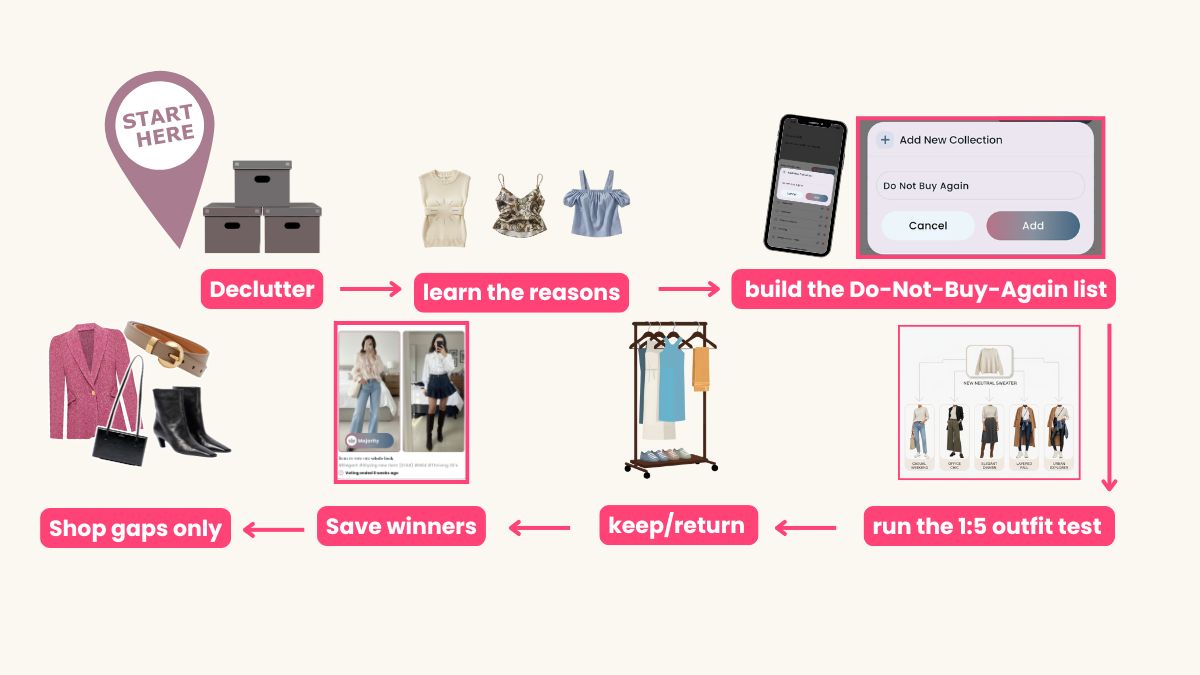
Quick Answer + Do Today Declutter pile = data: Fit, lifestyle mismatch, or duplicates → turn each into a shopping rule. Do-Not-Buy-Again list: If you declutter it more than once, stop re-buying it. The 1:5 Rule: One new item must make five real outfits with what you already own. Shop gaps only: Buy what completes outfits—not random “cute.” How to Shop for Clothes Without Adding Closet Clutter Let’s be honest: you can do a closet cleanout, feel amazing, and still end up right back where you started. Not because you “failed.” Not because you’re messy. Not because you need to Marie Kondo harder. It’s because decluttering is maintenance… and shopping is the source of the future clutter. If you want to stop the clutter from coming back, you don’t need another cleanout. You need closet entry rules—a way to decide what gets to come home with you in the first place. This post is my favorite way to do that: a simple system for how to shop for clothes without turning your closet into a revolving door for shopping/clutter. Why closets get cluttered again (even after decluttering) Here’s what usually happens: You declutter. You donate. You make piles. You swear you’re “only buying basics” from now on. You feel like a brand-new person. Then you go into Target (or scroll your favorite site) and suddenly you’re holding a “cute little top” that seems harmless because it’s only $24 and it’s “so versatile.” Or maybe you big splurge on a top your favorite Influencer had on and looked so chic in and it's dry clean only and you'd never actually wear it in your real life. Fast-forward: it gets worn once (maybe), then it becomes one of those pieces you’re always moving around but never choosing. So the clutter returns. And it builds. And the problem isn’t that you didn’t declutter hard enough. The problem is that your closet has no “entry policy”. Think of it like this: decluttering is taking out the trash. But your shopping habits are the open front door. If the door stays open, stuff will keep walking in. Step 1: Use your declutter pile as data Your declutter pile isn’t “stuff you don’t want.” It’s your closet giving you receipts. Most things get purged for three reasons—turn each into a rule: –Fit problems: pinches, rides up, needs “the right bra,” you tug all day.Rule: “I don’t buy this unless it fits perfectly right now.” No tailoring dreams. No “it’ll stretch.” –Lifestyle mismatch: cute in theory, wrong for real life (hello, dry clean only / heels / fussy pieces).Rule: “I don’t buy items for my fantasy life.” –Duplicates: “another version” you never wear because you already have a favorite.Rule: “I don’t buy duplicates unless it replaces something worn out.” That’s how decluttering clothes becomes data, not guilt. Step 2: Build a “Do-Not-Buy-Again” list This is your shopping guardrail against things you keep buying… and keep decluttering. Examples: scratchy sweaters, fussy shoes, trendy tops you avoid, “almost perfect” jeans, dry-clean-only anything, fantasy-life purchases. If you declutter a category more than once, it goes on the list. No debate. Stop re-buying what your closet has already rejected. You have to be brutally honest about (and grateful for) your lifestyle if you want to truly wear the clothes in your closet. Step 3: The 1:5 Rule (One New, Five Old) This is the rule that prevents clutter before it happens. Before you keep anything new, you have to style it five ways using what you already own. One new piece must create five real outfits. Not five fantasy fits. Not five “it could work if I had…” situations. Five outfits you would actually wear in your real life. If you can’t make it work with your current closet, what you’re buying isn’t an outfit-maker. It’s a future item to declutter. How to practically do this, because styling clothes isn’t easy! The STAR method is your easy way of doing this: Scan the new piece against your entire closet. Take out everything that could work. Arrange into outfits. Remember with pictures (Your 7am brain shouldn’t have to work so hard on things that are easily remembered.) Step 4: Turn this into a 10-minute preshopping routine (AMC version) Here’s the part that makes this system stick.Because the hardest part isn’t understanding the rule. The hardest part is remembering it when you’re tired, rushed, and standing in fitting-room lighting that has never done anyone a favor.So you make the rules visible and easy.This is where Adjust My Crown becomes your shopping safety system. Your 2-minute preshopping routine: –Create a Collection called “Do Not Buy Again" and move outfits with those pieces into that Collection.–Create a Collection called “Need More to Match With.” Add outfits where there’s one piece you want to wear more, but you don’t have enough other items to pair it with yet. Step 5: Shop for gaps that you've realized by being more analytic Common “gap fillers” that quietly fix a wardrobe:–a neutral belt (structure is an outfit-maker)–a true third piece (blazer, cardigan, denim jacket)–a shoe lane upgrade (white sneakers + loafers, or ballet flats + tall boots cover so much life)–a structured bag (instant polish) And sometimes the best “gap” isn’t a clothing item at all—it’s a closet tool that makes your wardrobe easier to see outfits in, like Adjust My Crown.Because the goal isn’t “own more.” The goal is wear more of what you already own and feel fantastic in it. The Preshop Filter (the whole system in one line) If you want the whole thing as a simple mental checklist, here it is: Declutter → learn the reasons → build the Do-Not-Buy-Again list → run the 1:5 outfit test → keep/return → save winners → shop gaps only That’s it. That’s the shopping safety system.And it works because it treats your closet like a real ecosystem, not a mood board for a fantasy lifestyle. Tiny reminder you can add to your life (and your cleanout posts)

Read More »
Outfit Decisions

7 Low-effort style tips for how to dress better for women who are tired of “meh” outfits

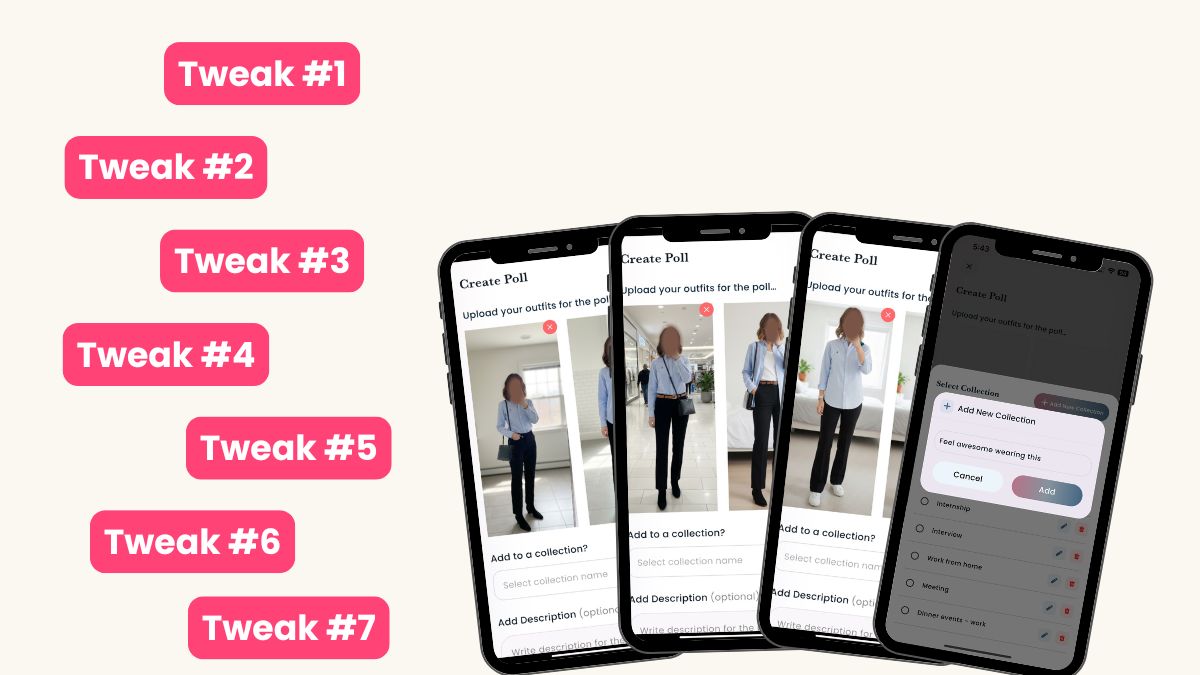
Quick Answer + Do Today Seven tiny tweaks: use a simple 7-step checklist to see how to dress better with clothes you already own. Shape and structure: swap one casual piece, front tuck, cuff, and belt to instantly how to make your outfit look better. Style formula: add texture, contrast, and a third piece, then run a quick 2-minute mirror check before you leave. AMC move: Post a 2-photo poll (before/after), then save the winner to a Collection so you can repeat it fast. How to Elevate Your Outfit Without A Full Wardrobe Reset If you’re getting dressed, looking in the mirror, and feeling very “it’s fine, I guess,” you don’t necessarily need more clothes. You need tiny adjustments. If you’ve been typing "how to elevate your outfit" or "how to make your outfit look better" into Pinterest at 1 a.m., this is your sign: start with small, repeatable tweaks. First step? Take one everyday outfit—jeans and a tee, leggings and a hoodie—and practice one of these seven moves on that look. You don’t have to try to adopt all tweaks. Just skim the list and pick one. You probably have what you need in your closet right now. The side-by-side images that Adjust my Crown uses are key to this kind of tweaking to help you be your own stylist. 7 tiny tweaks to upgrade any outfit 1. The one-upgrade swap Find the most casual piece you’re wearing (old hoodie, ripped tee, floppy tote) and swap it for something one step sharper. It can be equally comfy, so don’t be scared (cardigan, plain tee + necklace, structured tote). One change can make a big difference to both your look but also your mental frame of mind. 2. Play with your tuck Do a loose front tuck with your tee, blouse, or sweater. Or instead of a front tuck, a small side tuck on each hip can work too. Showing even a hint of waistband gives you shape and keeps the outfit from looking slouchy. The side-by-side images help show if this is even needed! It may not. If you’ve balanced a loose top with fitted bottoms you may not need the tuck or shape. But in some cases it can make a big difference. 3. Cuff your hems Roll jeans or joggers once or twice to show a bit of ankle or socks. It lightens the whole look and keeps your shoes from getting swallowed. You can also roll the joggers at the top and not worry about the length so much. 4. Add a belt A belt connects your top and bottom and breaks up big blocks of color. Even a simple black or brown belt instantly makes things look more intentional or defined. 5. Add texture Layer in one textured piece (ribbed knit, fuzzy cardigan, quilted or structured tote, or a scarf) so your outfit doesn’t read flat (and boring?). 6. Add contrast Create light/dark contrast (light top + darker bottoms, or the opposite) or bring in a clearly different color. Contrast is what makes outfits pop in photos. 7. Throw on a third piece Add anything beyond “top + bottom”: blazer, cardigan, denim jacket, scarf, or a structured tote. Third pieces say “I planned this,” even if you got dressed in 90 seconds. Your 1-minute mirror checklist Before you leave, run through: Did I use the one-upgrade swap? Did I front tuck, cuff, or belt something? Do I have at least one texture, one contrast, and a third piece? Add one accessory (gold hoops, watch, ring stack), and you’re done. If you love your outfit, post it as “feel awesome wearing this”. It doesn’t take all 7 tweaks. Just pick one! What exactly are the 7 tiny tweaks? The seven tweaks are: 1) the one-upgrade swap, 2) front tuck your top, 3) cuff your hems, 4) add a belt, 5) add texture, 6) add contrast, and 7) throw on a third piece like a blazer, cardigan, denim jacket, scarf, or structured tote. Can these seven tweaks really be enough for how to dress better women are searching for? Yes. Most outfits don’t need a total makeover; they need better styling. These 7 moves work together to add shape, structure, and intention so your existing clothes look more polished without changing your personal style. Do I have to use all 7 tweaks every single time? No. Think of them as a menu, not rules. Some days you might just swap one item and add a belt. Other days you’ll run through all seven. The printable checklist helps you remember them and choose what makes sense for that outfit. What if my style is super casual—won’t this make me overdressed? You can stay casual and still use the tweaks. Keep your leggings, hoodies, and sneakers, but try a front tuck, add contrast, or throw on a denim jacket and gold hoops. You’ll still feel like you, just a bit more elevated. How do I remember all 7 tweaks when I’m rushing? Print the “Tiny Tweaks, Big Wins” checklist and tape it inside your closet or near your mirror. Before you leave, quickly scan: swap, tuck, cuff, belt, texture, contrast, third piece. It becomes muscle memory fast. Can I track my favorite “7-tweak” outfits somewhere? Yes. Snap pics of outfits where you used several tweaks and save them into collections—like Errands, Work, or School—inside the Adjust My Crown app. Over time, you’ll build a library of looks you already know you love.

Read More »
Outfit Decisions

Cute Cold Spring Outfits: Formulas That Always Work

AMC TL;DR Using Adjust My Crown helps you turn this guide into 18 real, repeatable cute cold spring outfits, from things you already own—so you’re not staring at your closet in a towel tomorrow morning. Use polls to pre-decide your next outfits once, then save them in Collections so weekday getting-ready takes 30 seconds instead of 30 minutes. You’ll be your own stylist, spend less by rewearing what you own, and walk out the door in outfits that are already tested, loved, and ready to go. How to Turn “Nothing to Wear” Into 18 Default Cute Spring Outfits You know that moment: towel on, hair half-dry, floor covered in clothes, and somehow there are still “no cute cold outfits” that feel right. The problem isn’t you or your style or lack of outfit inspiration or lack of the right clothes; it’s that your brain is trying to do math it was never meant to do, mixing dozens of tops, bottoms, shoes, and layers in five minutes flat.In Adjust My Crown, start a Collection called “Spring Defaults” or “Cute Spring Outfits” (or be way more creative than I am with these straightforward Collection titles) and upload 5–8 outfits using pieces you already love so that crowns can vote and you instantly see which combos are worth repeating this week. Within 24–48 hours, you’ll have 3–5 go-to looks locked in, and your future self will never have to re-solve the “nothing to wear” puzzle before work again. ​​Why “nothing to wear” happens (it’s not you, it’s outfit math) Most closets are full of single pieces, not ready-made outfits, so every morning becomes a fresh equation with hundreds of possible combos. Your energy is low, the clock is ticking, and suddenly everything feels wrong, even the cute winter outfits you liked last week and now trees and flowers are blooming… but it’s still cold!  Think of outfit formulas like recipes (fully styled outfits): jeans + white shirt + trench + loafers is one solved equation, not four random items. Adjust My Crown acts like a stylist in your phone, remembering which “recipes” actually worked and serving those outfits back when you’re getting dressed, so you are not starting from zero every cold morning. The 5 outfit formulas that always work When in doubt, stop scrolling and reach for a formula; these five base combos can become endless cute winter outfits with tiny tweaks. Use them as your non-negotiable defaults when you’re tired, late, or not in the mood to experiment.–Straight-leg jeans + white button-down + trench + loafers–Black trousers + fitted tee + blazer + sneakers–Mini or midi skirt + chunky sweater + tights + ankle boots–Fitted tee + cardigan + jeans + sneakers–Sweater dress + trench or long coat + boots + belt Your own Lookbook If you screenshot even one of these outfit ideas, you need Adjust My Crown to actually turn them into repeatable looks (in your Lookbook) using the clothes you already own and wear (organized into Collections). 18 cute winter outfits using repeats Here’s where formulas become real life: you don’t need a new wardrobe, just intentional repeats of your best pieces. These 18 cute winter outfits use the same tops, bottoms, shoes, and third pieces you already love so you can shop your closet before you shop online, no matter how tempting the sales are now. Swap in the pieces from your own closet:–White button-down + black trousers + sneakers–White button-down + straight-leg jeans + loafers–blazer + fitted tee + jeans + ankle boots–Chunky sweater + skirt + tights + ankle boots–Chunky sweater + black trousers + loafers–Cardigan + tee + jeans + sneakers–Trench + fitted tee + straight-leg jeans + sneakers–Blazer + chunky sweater + trousers + loafers–Cardigan + sweater dress + boots–White button-down + trench + trousers + loafers–Chunky sweater + white tee peeking out + jeans + sneakers–Fitted tee + black trousers + blazer + ankle boots–Sweater dress + trench + boots–Sweater dress + loafers–Sweater dress + sneakers + trench–Sweater dress + sneakers + blazer–Chunky sweater + skirt + loafers–White button-down + jeans + ankle boots Use Adjust My Crown to find your best outfits from pieces you already own before buying anything new, then save the combos that get the most love so they become your true “cute winter outfit defaults.” Crowns and polls turn “maybe cute” outfits into tested, voted-on winners you can confidently repeat all winter. Ending the poll immediately saves the outfit to a Collection immediately when you don’t care about polls. Clothes and habits? If you’re new to using AMC, making it a habit to just capture every outfit this week will give you your own winter outfit formulas.   How to make each formula casual vs chic The fastest way to double your cute winter outfits is to style the same base two ways: casual and chic. Instead of chasing totally new looks, just swap a few details and let structure, shoes, and styling do the work. Casual Winter Outfits sneakers instead of loafers, cardigan instead of blazer, untucked shirt, minimal jewelry, beanie Chic Winter Outfits loafers or ankle boots, blazer or trench instead of cardigan, a defined waist with a belt, neat tuck, statement earring or watch App 101 In Adjust My Crown, create a mini poll where each slide is the same base formula styled casual vs chic so we can vote which version should be your go-to for work, coffee dates, or nights out, based on where you say you’re going. Or create two different collections, maybe “Casual Winter Outfits” and then the dressier version “Chic Winter Outfits” (please be more creative than me). Try This in Adjust My Crown–Pick 5 base formulas from this post (jeans + white shirt + trench, trousers + tee + blazer, etc.).–Create a new poll titled “Cute Winter Outfit Formulas.”–Snap or upload 1–2 real-life outfits for each formula.–Let crowns vote on the cutest combos–Organize the looks into a Collection called “Winter Defaults” or “Casual Winter Outfits” or “Cute

Read More »
Outfit Decisions

How to Turn an Overwhelming Closet into Daily outfit inspiration

Problem: An overflowing closet gives you choice overload and blocks outfit inspiration. Fix: Use a slow filter; each season move unworn pieces into an “On the Fence” mini zone. Clarity: As you Declutter closet, you see what you actually wear and love. Result: A more organized closet that quietly teaches you what to keep, tailor, sell, or donate. How a Slow “On the Fence” Filter Helps You Declutter closet Without Regret Why a full closet still feels like “nothing to wear”When your closet is packed, your brain hits choice overload. You see colors, patterns, and maybe even tags… but you don’t see a story. There’s no record of what worked, no feedback on what flopped, and no gentle way to declutter closet pieces you’ve outgrown. The first step is simple: create a tiny “On the Fence” section and move 5 maybes there today. AMC (Adjust My Crown) turns that micro habit into a system that slowly reveals what actually earns a spot in your organized closet. The three invisible problems: options, no record, no feedback Your brain wasn’t built for 200+ daily clothing choices. Without closet organization, you scroll your hangers the way you doom-scroll your phone. –Too many options: Every piece shouts at once, so you default to the same safe outfit.–No record: You forget which looks made you feel confident or matched your style goals–No feedback: Items that never leave the hanger blend in, instead of quietly getting voted out or worn regularly AMC logs what you wear, and leaves room for comments underneath (how you felt, the temperature, or juicy info like who you were on the date with) so the data—not the drama—guides what stays and when you wear it. The slow filter: how “On the Fence” works “On the Fence” is your new holding pen for those pieces that crowd your closet. These are things you see in your closet and your brain says ding, ding, ding, haven’t worn, so you grab it. But you don’t want to wear it or style it. Put it in a separate place in your closet. Try to make yourself style those pieces. Start a Collection in Adjust my Crown called “On the Fence” and add polls of those things, styled. You’ll know pretty quickly if they’re worth keeping or if it’s time to let that piece go on to a better home. You’re not forcing a massive purge in one weekend. You’re running a quiet, ongoing filter: wear it, log it, learn from it… or move it aside. How this turns into real style (not just a tidy closet) As the noise leaves, patterns show up. You see which silhouettes and colors you repeat and which never leave “On the Fence.” That’s real data for finding your style and personal style inspiration, not a mood board of inspo (which is also helpful in its own way…). The result: it gets easier to feel pulled toward clothes that make YOU look intentional, and look like you. Day by day, the closet and the daily outfit pics nudge you toward how to look put together and how to dress better, instead of fighting you every morning and taking up decision making brain power. That’s how AMC supports your personal style—with tiny, trackable decisions, not pressure to become a different person overnight and to consume, consume. Do-this-today checklist Create a physical or digital “On the Fence” section. Move 5 “I never reach for this” pieces into it. For the next week, log what you actually wear. At week’s end, re-check “On the Fence” and decide: keep, tailor, sell, or donate. That’s how AMC quietly upgrades your storage and organization, mood, and calendar—all through smarter closet organization and more confident daily outfits. Why does a full closet still kill my outfit inspiration? When everything is visible at once, your brain hits choice overload. Without a record of past wins and fails, every morning feels like starting from zero, so you default to the same safe outfits and feel like you have “nothing to wear.” How does the “On the Fence” method help me Declutter closet without regret? Instead of forcing a huge purge, you move unworn pieces into a separate zone for a season. Time and tracking do the work; if an item stays there, it’s easier to donate, sell, or tailor because you’ve seen you don’t actually reach for it. How does AMC support better Closet organization over time? AMC logs what you wear, highlights pieces you rarely use, and surfaces patterns in color, fit, and vibe. That information guides what gets prime space, what moves to “On the Fence,” and what leaves, which naturally leads to a more organized closet. Can this approach help me build a capsule wardrobe? Yes. As AMC tracks outfits and cost-per-wear, you’ll see which items mix and match easily. Those become the core of a future capsule, while single-use pieces usually migrate to “On the Fence” and eventually out of your space. How does this connect to Finding my style and how to dress better? By logging real outfits, you see what you feel great in instead of guessing from trends. Over time, AMC reveals patterns that guide your shopping and edits, so “how to look put together” becomes a repeatable formula, not a one-time lucky outfit.

Read More »