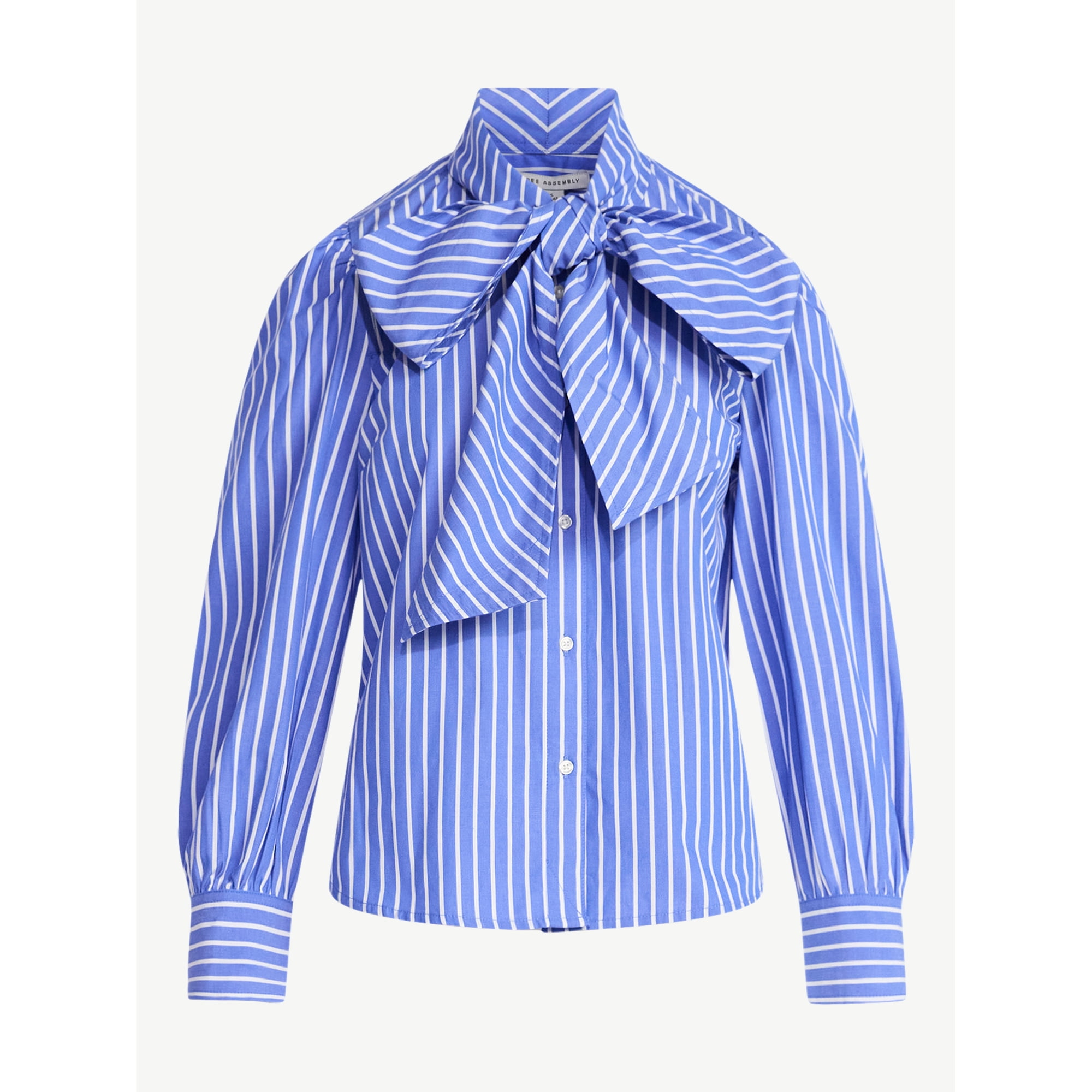

Here's the shopping lie we've all believed: if it's on sale, you're saving money. But if you bought that $30 clearance top and wore it three times before it became "that thing I keep meaning to donate," you didn't save anything. You spent $10 per wear on regret. Now compare that to the $90 jeans you've worn 45 times. Those cost $2 per wear, and you reach for them without thinking.
That's cost per wear, and it's the only math that reveals what your closet actually costs you. It's not about the price tag. It's about price divided by wears.
Most closet clutter happens because we shop by initial cost instead of cost per wear. We buy "deals" that sit unworn. We avoid "expensive" pieces that would get worn constantly. This post is about how the 1:5 Rule stops you from buying high cost per wear mistakes disguised as bargains.

The Real Cost of Three Common Shopping Mistakes
Let's run the numbers on purchases most of us have made.
The impulse buy: $25 trendy top, worn twice, donated. Cost per wear: $12.50. You could've rented a designer version for less.
The fantasy purchase: $60 linen pants for a life you don't live, worn once, now in the back of your closet. Cost per wear: $60 for one uncomfortable brunch.
The "I'll find something to match it" optimist: $40 statement piece, zero outfits that work, still hanging with tags. Cost per wear: infinite because guilt isn't an outfit.
Now add them up. You spent $125 on three items. Total wears: three.
Your cost per wear across those purchases is over $40 per wear. You could've bought one $120 blazer, worn it 30 times in the first year, and paid $4 per wear while actually looking put-together.
The expensive choice would've been cheaper.
How the 1:5 Rule Predicts Cost Per Wear Before You Buy
This is where the 1:5 Rule becomes a financial filter, not a clutter lecture.
Before you keep anything new, style it into five real outfits using what you already own. If you can hit five outfits immediately, that item starts at one-fifth of its purchase price per wear—before you've even left the store.
A $50 sweater styled five ways is already at $10 per wear. Wear each outfit twice and you're at $5. That's cheaper than most coffee runs.
But if you can only make two outfits work, that same sweater starts at $25 per wear. It's already expensive before it enters your closet.
The 1:5 test isn't about restriction. It's about predicting cost per wear at point of purchase so you stop buying things that will cost you more per wear than items that seem expensive up front.


How to Run the Test So It Actually Saves You Money
The challenge isn't understanding this math. The challenge is remembering it when you're standing in a store holding something cute and convincing yourself "I'll figure it out at home."
Here's the system: before you buy, pull out your phone and open Adjust My Crown.
Check your "Need More to Match With" Collection—these are pieces you already own that need more pairings. If the new item solves that gap, it improves the cost per wear of something you already spent money on. That's financially smart.
Check your "Do Not Buy Again" Collection—these are categories your closet has already rejected. If the new item is on that list, you're about to re-buy a mistake. That's financially wasteful.
Optionally, run a quick preshopping poll: post two options you're considering and let trusted friends vote. The winner isn't just "cuter." It's the one that will get worn more, which means lower cost per wear over time.
The Only Shopping Strategy That Actually Lowers Cost Per Wear
Stop shopping for "deals" and start shopping to solve real wardrobe gaps. It's so easy to justify a 'deal' but it's not really a deal if it isn't helpful to you getting dressed easier and on with your day with more confidence. When you buy items that unlock multiple outfits from things you already own, every piece in your
closet works harder.
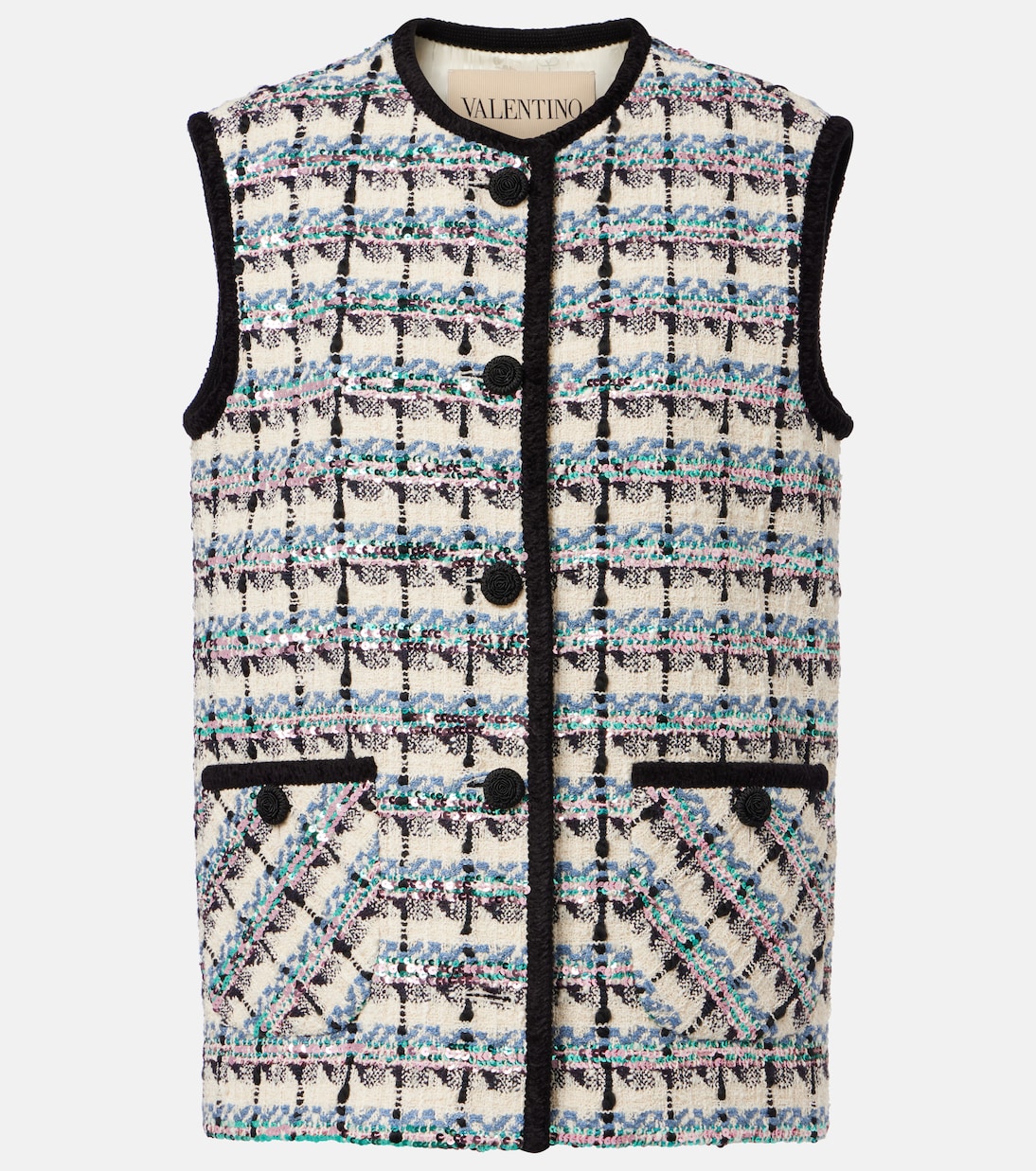
This tweed vest I’m using as an example might, at first glance, seem random and hard to wear with anything. A quick glance at your saved outfits reveals you can wear it with at least 10 things you’ve worn this month alone! But you wouldn’t know that if you hadn’t tracked your outfits and sought to fill a gap. It makes this vest a better buy than another dress (but not really this vest, as this Valentino beauty is over $3,000 which is some insane cost per wear numbers).
A structured blazer that pairs with six existing outfits doesn't just cost you $80. It makes six outfits instantly wearable, which lowers the cost per wear of everything it touches. A second shoe option (like loafers when you only own sneakers) suddenly makes dresses and trousers feel fresh again.
When you focus on gaps and cost per wear, you're making previous purchases also pay off.
The whole system in one line: check your gaps, run the 1:5 test, buy only what creates five new outfits, save the winners so you actually wear them. That's how you declutter less, spend less, and wear more of what you already own. Because the goal isn't a fuller closet. The goal is a closet where every item earns its space with a low cost per wear and outfits you actually love putting on. Mornings should be easy, because life is hard. Check your Collections, pick an outfit quickly, and face the day feeling fantastic, whether it's your favorite lounge set or you're geared up for an exam.