Style effortlessly. Live confidently.

Style Tips

How to Change Your Look This Spring

A 90-Day Reset That Actually Feels Like You By the Summer I doubt you need a makeover. But you might want to look in the mirror and feel slightly… different. Fresher. More current. More aligned with who you are now. Or just a version of you who tries a trend confidently. If you’ve been searching how to change your look, I’m going to say something unpopular: You probably don’t need new clothes. You need new combinations of clothes and accessories you already own. Spring is the easiest season to experiment. There’s space to try something without it feeling dramatic, and you can still hide behind your outer layer in most climates. And if you give yourself 90 days, just one small shift a week, by summer you’ll look different without shocking your own closet. Here’s how. 1. Trade your Jeans for a new Silhouette: Jeans for a Skirt? Let’s start with honesty. I wear the same shape over and over again. Jeans (Specifically this pair, on repeat, darker in colder months, lighter as the seasons get warmer). Top. Favorite necklace. Repeat. Even when the jeans change, the structure doesn’t. Can you identify? Same shape wearers raise your hand. If you want to change your look, change the outline. For the next month, once a week, swap your default bottom for something that moves differently. If that is offensive to you, what about this swap: That’s it. Not daily. Not extreme. Just once a week. Something interesting happens when the shape shifts. You stand differently. The proportion changes. Your whole presence softens or sharpens depending on what you choose. And here’s the part that makes using Adjust My Crown, your new favorite wardrobe app, magical: you don’t have to decide if it works in your head. You don’t have to text friends who are all hype people without the honesty: Take two photos. Jeans version. Skirt version. With side by side outfit selfies, your eye will tell you the truth in about three seconds. We overthink what the camera can clarify. 2. Introduce Pattern (Without Overcomplicating It) If your closet is mostly solid colors, your outfits may be too safe. Spring practically begs for pattern. Florals, stripes, subtle prints. But most women avoid them because they don’t want to feel loud or take up space. TAKE UP SPACE! SHOW YOUR GLORIOUS PERSONALITY. Imagine this outfit with a solid skirt. Different, right? Here’s the solution to easing into taking up space: don’t mix prints from day 1. Don’t overhaul anything. Just replace one solid piece with a patterned version. Keep everything else grounded and feeling safe. Pattern adds depth. It gives the eye somewhere to land. It quietly says, “I thought about this.” If you’re unsure whether it feels chic or busy, compare it with the magical side-by-side outfit selfies that Adjust My Crown, your new favorite wardrobe app, automatically does. Solid vs patterned. Take the pictures. Look at them side-by-side. You’ll know. And if you don’t know, post it with a longer timeframe as a poll and let the SAFE votes roll in. Often the one that feels “slightly more than usual” reads polished instead of excessive. 3. Choose One Accessory That’s Slightly Bolder Than Your Default This is the smallest shift with the biggest impact. We all have a safe accessory pattern. Neutral bag. Tiny studs. Sensible shoe. Instead of replacing your outfit, adjust the finishing touch. Not wild. Not costume. Just 10% braver. It could just be new shoelaces (hello, Amazon, you’re lovely for this): Sometimes the only difference between “fine” and “finished” is the accessory. How utterly chic is this look, with a simple navy blazer, because of the layers of accessory perfection? Don’t guess. Compare. Safe version. Slightly bolder version. The winner may surprise you! 4. Track Your Style for 90 Days Changing your look once doesn’t change your style. Changing it repeatedly does. This is where most people fall short. They experiment once, forget what worked, and drift back to the default. Instead, keep a simple running collection of what you try this spring. Each week: Save what works. Notice patterns in what you prefer. By week eight, you’ll start seeing a throughline. By summer or week twelve, you’ll have a new baseline. Not because you bought more. Because you refined. And when summer arrives — with its vacations, events, photos, gatherings — you won’t feel like you’re scrambling to reinvent yourself. You’ll already know what works. The Truth About Changing Your Look It’s not about becoming someone else. It’s about gently editing the version you’ve been repeating. Spring gives you permission.Ninety days gives you structure.Small, consistent comparisons give you clarity. Don’t have a style crisis. Collect evidence. Side-by-side outfit selfies. Start now.Let summer find a slightly different version of you — built slowly, on purpose.

Read More »
Style Tips

Elevate Your Outfit: Where Should Your Accessories Actually Go?

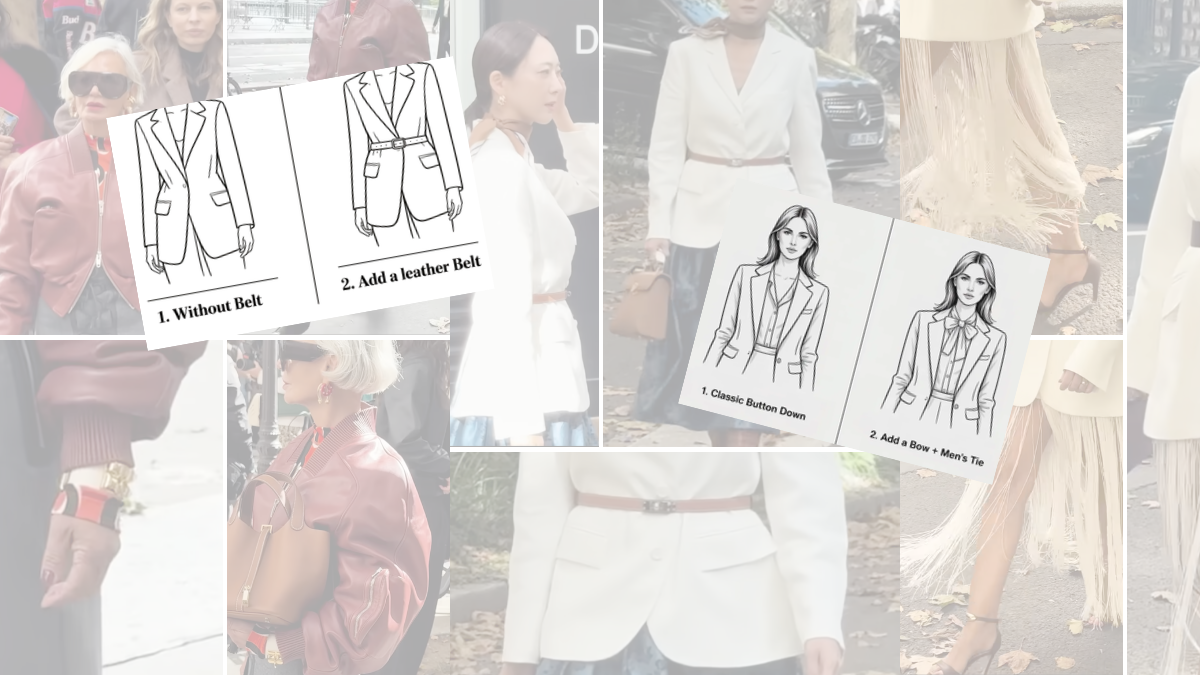
Test These Placements in your Wardrobe App Most advice on how to elevate is really advice on how to buy. But I want to challenge you to think creatively about the placement of accessories like bracelets, necklaces (on a purse!), and scarves. If you’ve been searching for ways to elevate your outfit without feeling like you’re trying too hard, the answer is usually “move one thing to an unexpected place.” Your new favorite wardrobe app gives you the space and confidence to test your creative accessory ideas, because the side-by-side outfit selfies allow you to analyze on your own or to give them time to get votes from the anonymous AMC tribe. You’re not sending a text to one or two people and getting a halfhearted answer where they’re just saying what they know you want to hear. That’s the AMC method: evidence-based confidence, less shopping, more wearing. Most women accessorize predictably. Bracelet on wrist. Belt through loops. Necklace around neck. But accessory placement is where the magic happens, and where most styling advice fails you. Because what looks editorial in a magazine might look like a costume on your actual body. The only way to know? Test it yourself with side-by-side outfit selfie photos. The Bracelet-Over-Sleeve Test Start with your Hermes cdc bracelet (or any leather cuff). Most women wear it directly on skin. But try this: slip it over your sleeve cuff instead. Then take two photos—bracelet under sleeve, bracelet over sleeve. Post the side-by-side poll when you’re stuck. You’re not asking “Which is better?”—you’re asking “Which reads as more intentional on my body?” If One is Good, Two is Better Test The doubled-bracelet variation works the same way. One bracelet vs two. Same item, completely different visual weight. Some women need that doubled presence to balance their frame. Others look costume-y. Your body will tell you—but only if you test it in a side-by-side comparison. Belt Placement on Blazers Test The leather belt rule you learned (always through loops) is limiting you. Try this experiment: take your blazer, add a belt over it at your natural waist (You can also use a scarf as a belt). Not cinched tight—just defining the line. Take a photo. Then take the same blazer with no belt. Post the poll. Save daily outfits so you stop forgetting what works. This isn’t about “belted blazers are trendy.” This is about whether adding that horizontal line creates proportion on your specific torso or cuts you in half. The only yes is a heck yes. If the poll comes back split 50/50, that’s a no. You want clear winners you can repeat without thinking. Neck Tie Options for Women (Borrowed from the Boys) Neck tie outfits for women offer two completely different energies: the feminine bow or the masculine straight tie. Most women pick one and commit. But your wardrobe needs both—and you need to know which one works with which neckline, which jacket, which vibe. Test it: white button-down, same pants, same blazer. Photo one: tie it as a bow. Photo two: tie it straight like a man’s tie. The bow reads softer, more European-romantic. The straight tie reads sharper, more boardroom-rebel. P ost the side-by-side when you’re deciding which version to wear to that meeting. The winner is saved so you’re not re-deciding this every time you pull out that shirt. Statement Pieces That Do the Work Some accessories don’t need placement tests—they just need courage. The leopard coat outfits you’re avoiding? That coat is the outfit. Jeans, black turtleneck, leopard coat. Done. The knee high socks you think are too young? Pair them with a knee-length skirt and loafers or pointy metallic shoes. And red leather gloves? They’re the grown-up version of a statement necklace. All black outfit, red gloves. That’s it. You don’t need three accessories when one is doing the talking. If you’re uncomfortable, it’s okay to test this one too—black gloves vs red gloves, side-by-side. Let the poll tell you if you’re ready for that pop of color or if you need to build up to it. The Grown-Up Purse Charm Here’s the placement move no one’s teaching: the Hermes farandole necklace wrapped around your bag handle. Not as a necklace. As a bag accessory. This is the sophisticated way to do purse charms. No cutesy plastic keychains, just a beautiful chain adding visual interest to a structured bag. Test it if you’re unsure: same bag, same outfit. Photo one with the necklace on your neck. Photo two with it wrapped around the bag. Which feels more you? Which feels like it’s trying too hard? Post the poll. Save the winner into your outfit collection so you remember this styling trick exists. Build Your Accessory Placement Defaults The goal isn’t to master every accessory rule ever written. The goal is to test 3-4 placement experiments, save the clear winners, and build your personal accessory defaults. Bracelet over sleeve? Save it. Belt over blazer? Save it. Red gloves with all black? Save it. Because style isn’t about learning more rules. It’s about testing what works on your body, saving the evidence, and repeating the wins. That’s how you stop overthinking and start getting dressed with confidence. Do this tonight: pick one accessory, try two different placements, take the photos. You’re not asking the internet what’s “right”. You’re collecting data on what’s right for you. The biggest mistake when you’re learning How To Elevate Your Outfit is stacking too many “clever” choices at once. One power move per outfit. Bracelet over sleeve plus belt over blazer plus loud earrings plus statement shoes turns into noise. Another mistake: letting a trend take over your silhouette. Fringe works when everything else stays sharp and simple. And don’t shop your way into taste. A maybe is a no. Use point-of-entry rules: 1:5 rule (one bold placement needs five basics it works with), cost-per-wear thinking, and a do-not-buy-again list for items that never earn their keep. Thrift later, once your placement rules are

Read More »
Style Tips

How Do You Know If Your Outfit Needs a Pop of Color Purse?

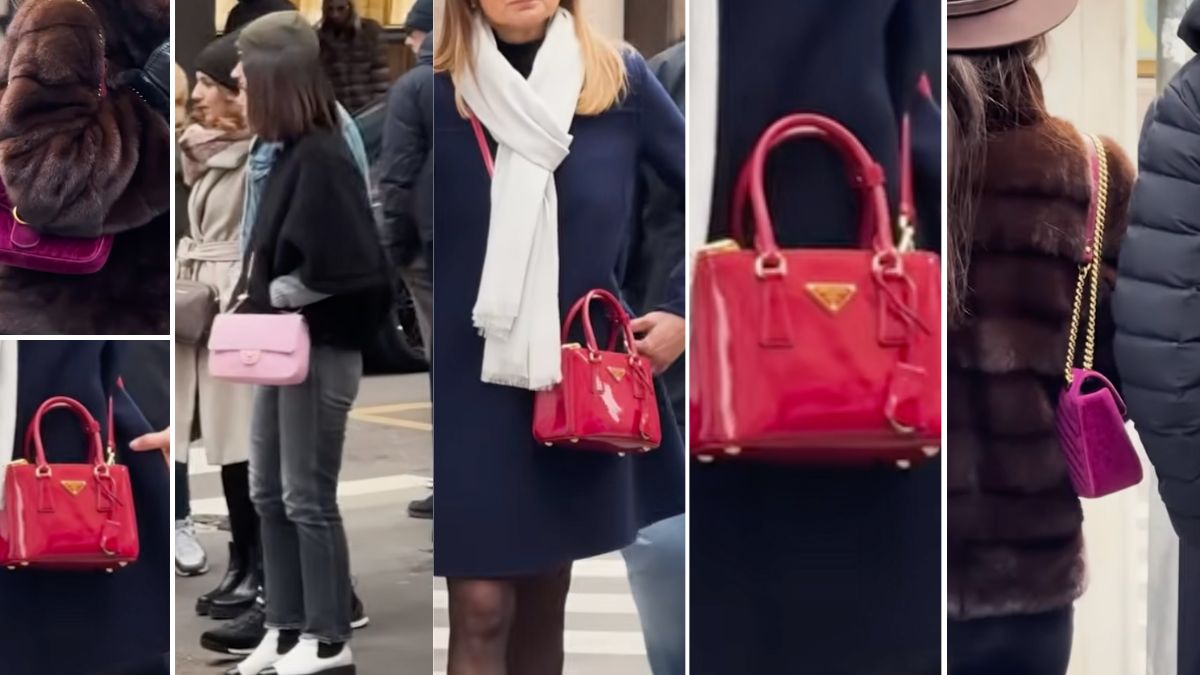
When Does a Neutral Outfit Look Better With a Bright Bag? Your outfit is fine. It’s not bad. It’s just neutral, and somehow it feels invisible. You’ve tried adding a scarf, switching your shoes, layering a cardigan. Nothing lands. The problem isn’t your clothes. It’s visual math. Your outfit doesn’t have an exclamation point.  The 80/20 Balance Rule for a Pop of Color Purse Outfit (and why I don’t love the rule) Here’s the formula: 80% neutral base, 20% deliberate disruption. That disruption is your bag. Not your shoes, not your jewelry, but your pop of color purse. A pink purse, red purse, green purse, or orange purse does one job: it creates a focal point. When everything else is quiet, one bright structured bag changes the entire silhouette. This isn’t about just being bold. It’s about giving the eye somewhere to land. Neutral outfits need contrast to feel finished, and a colorful bag is the fastest, most repeatable way to add it. But because I hate rules (hence the app, Adjust My Crown, which shows which rules DO NOT WORK on your body and which do, because of side-by-side outfit selfies) I want to show a fabulous outfit with lots of pops that works beautifully (she has lots of bracelets on too, for more pops of interest and color): Why Your Bag Color Must Stand Alone If your red purse matches your red shoes, you’ve created coordination, which is beautiful (see? she’s gorgeous with her gray and burgundy coordinating outfit!) but not what we are talking about. We are talking about a purse pop of color. If it stands alone against black pants, a gray sweater, and leopard sneakers, you’ve created tension, and that’s what makes an outfit enjoyable to wear and memorable to spot. A rule to test: your bag color should echo nothing else in the outfit. No matching. No “pulling colors through.” When the bag is the only bright thing, it doesn’t blend, it punctuates.  How to Test What Actually Works You won’t know if a neutral outfit needs a color interruption until you see it side by side with the version that has one. Post a side-by-side outfit selfie poll when you’re stuck: one with your neutral bag, one with your yellow purse or green purse or red purse. Let honest and anonymous people crown the winner, or just analyze it for yourself (because the outfit selfies are side-by-side so it’s super easy). Save the outfit into a “Color Interruption” Collection in your new favorite free wardrobe app so you stop remaking the same decision every week. Over time, you’ll notice patterns. Certain neutral bases never need help. You’re not guessing. You’re gathering evidence. That’s how you pick your outfit faster and with more confidence. Track Your Winning Bag Colors Once you start running polls, you’ll see which bright bags actually improve your outfits and which ones just add noise. Maybe your pink purse gets crowned every time you wear gray. Maybe your orange purse works with denim but fails with black. The wardrobe app Adjust My Crown lets you track this visually and allows you to analyze it for yourself. Every time you post side-by-side outfit selfies, you’re building a personal style rulebook. You’re not following trends that shift on you. You’re learning what to wear based on real feedback from real outfits on your glorious real body. After 10-15 polls, you’ll know exactly which color interruptions are worth repeating, and which bags to stop reaching for. When Neutral Is Enough Not every outfit needs a bright bag. Sometimes a neutral outfit with a neutral bag is exactly right. If your base has strong texture—a chunky knit, leather pants, a structured coat—you might not need color. If your silhouette is interesting enough on its own, a pop of color purse can compete instead of complete. The test: does the outfit feel finished, or does it feel flat? If it feels flat, try the color version. If it already feels strong, leave it alone. Side-by-side outfit selfie polling solves this faster than your mirror ever will. Apple app store Google store FAQ:

Read More »
silk scarf outfits
Style Tips

How to Wear a Scarf 6 ways in Spring Without Looking Like You’re Stuck in Winter

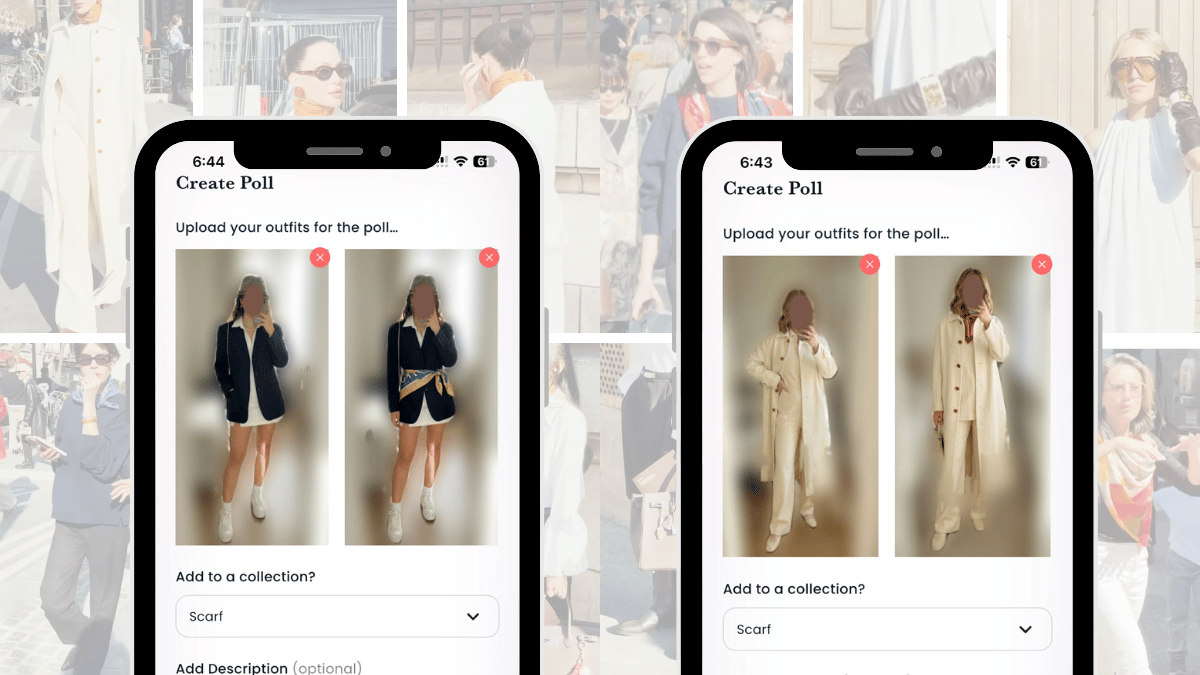
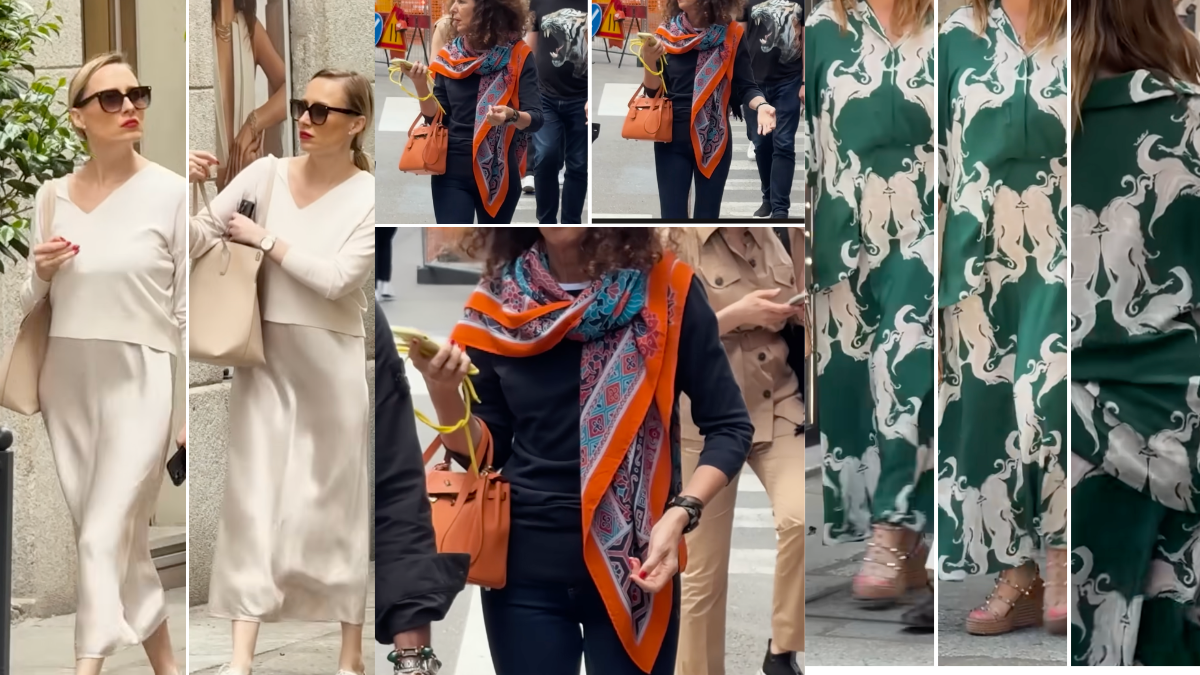
Spring is crazy and to be honest, I identify with her. Morning frost becomes afternoon heat, and every outfit you plan at 7 a.m. betrays you by noon. Spring outfits require layers, as cliche as it sounds. Silk Scarves solve this spring outfit problem, not as winter leftovers, but as lightweight spring outfit tools that add polish when it’s 60 degrees and confusing. When it’s 40 degrees I’ve got one wrapped tightly around my neck. It gets looser as they day warms up and I don’t need to protect against the cold spring morning. Often in spring the way I tie my scarf changes throughout the day to accomodate the temperature changes. The right scarf, worn the right way, turns chaos into a repeatable outfit win. This is about temperature control and decision reduction, not accessorizing for accessorizing’s sake. The repeatable outfit win is made repeatable because you’ve saved your Silk Scarf Outifts in a Collection (name it whatever you want) in Adjust My Crown, your new favorite wardrobe app. Here is a gorgeous way to wear a silk scarf in winter, before we get into Spring styling. Notice how it’s at the same time beautiful and warm because it’s wrapped around the neck: Silk Over Wool in Transitional Weather Wool scarves look heavy after March. Switch to silk, cotton, or linen blends when temperatures hit 60–70 degrees Fahrenheit. The visual weight matters just as much as warmth. Your outfit needs to signal spring, even if your body still wants layers. If you’re debating two scarves, post a side-by-side poll in your wardrobe app and let real people vote. Save the winner so you stop remaking this decision every April. Color Echo Makes Scarves Work Harder Pull one color from your outfit and amplify it through your scarf. Navy blazer? Try a navy-and-cream printed scarf. Camel jacket? Add rust or cream silk. This creates visual cohesion without needing a stylist brain. Stylist brain says throw any color scarf on and if you love it, it works. If you’re not sure, the side-by-side outfit selfies in AMC make you confident it does work and makes a cute outfit. When you test cute ways to style a scarf using side-by-side outfit selfie comparisons, you’ll see immediately which color combinations make you look intentional and polished versus thrown together. Images are saved automatically into your Collections so you can repeat them without guessing. How to Wear a Scarf Around Your Neck Without Bulk (and hack to keep them from flying away on a windy Spring day) Loop it loosely once and let the ends hang long—this works for silk scarves or lightweight cotton. You can tie the edges together too. One hack I use with scarves is to use a tiny magnet, like this (any size will work), to keep them from flying away if it’s a windy spring day. Hide them anywhere you don’t feel them. Play around with them. They’re pretty magical. Traditional advice would say to avoid tight wraps that add visual weight to your chin and neck. I completely disagree. See how beautifully it works on the cream outfit with the orange scarf around her neck exclusively? You really can’t treat rules like official works-for-everyone rules. The only way to know if something works is ON YOU, and in a side-by-side outfit selfie. You’ll know immediately if a scarf at your neck adds visual weight negatively or if you love it. If you’re unsure whether the scarf helps or hides your outfit, take two photos: one with the scarf, one without. Post them in Adjust My Crown and ask which version looks more pulled-together. The answer and the side-by-side outfit selfies clarify whether you’re solving a styling gap or just adding clutter. Over a Jacket for Structured-Meets-Fluid Tension Drape a silk scarf over the shoulders of a structured blazer or bomber jacket. This adds softness to hard lines and works especially well when your jacket feels too stiff for casual spring plans. Let the scarf hang loose in front or knot it gently at the collarbone. Test this styling in a pick your outfit poll with side-by-side outfit selfies if you’re stuck between scarf-on-shoulder versus scarf-around-neck. Whichever gets more votes becomes your go-to formula for that jacket. Tied on Your Bag for Color Without Commitment If a scarf feels like too much near your face, tie it to your purse handle. This pulls color into your outfit without adding layers to your body. Use a small silk square, loop it twice, and knot it tight so it doesn’t slide. This method works when you want visual interest but your outfit already feels complete. Run a poll in your wardrobe app if you’re deciding between scarf-on-bag versus scarf-on-body—sometimes the bag styling wins because it’s lower-effort and just as effective and you don’t have to change it often. Around Your Waist When Outfit Needs Color (But not at the neck) Long scarves can double as soft belts. Loop a lightweight scarf through your belt loops or tie it loosely at your natural waist over a flowy dress or oversized button-down. This defines your shape without the rigidity of a leather belt. You can also fold the silk scarf in half (into a triangle) and simply tie it around your waist. If you’re testing whether a waist scarf improves your silhouette, take two side-by-side outfit selfies and post them as a poll. The votes will tell you if the scarf adds structure or just looks like you forgot to finish getting dressed. Create a Scarf Styling Collection in Your Wardrobe App Create a Collection in Adjust My Crown to save Cute Scarf styling ideas. Set up a test in Adjust My Crown with four scarf placements: no scarf, neck scarf, shoulder drape, and bag-tied scarf. Use the same base outfit in all four photos so the only variable is scarf placement. Post the side-by-side outfit selfies and let the votes tell you which styling actually improves the look. This turns vague

Read More »
Style Tips

How Do I Style a Monochromatic Outfit That Looks Intentional, Not Boring?

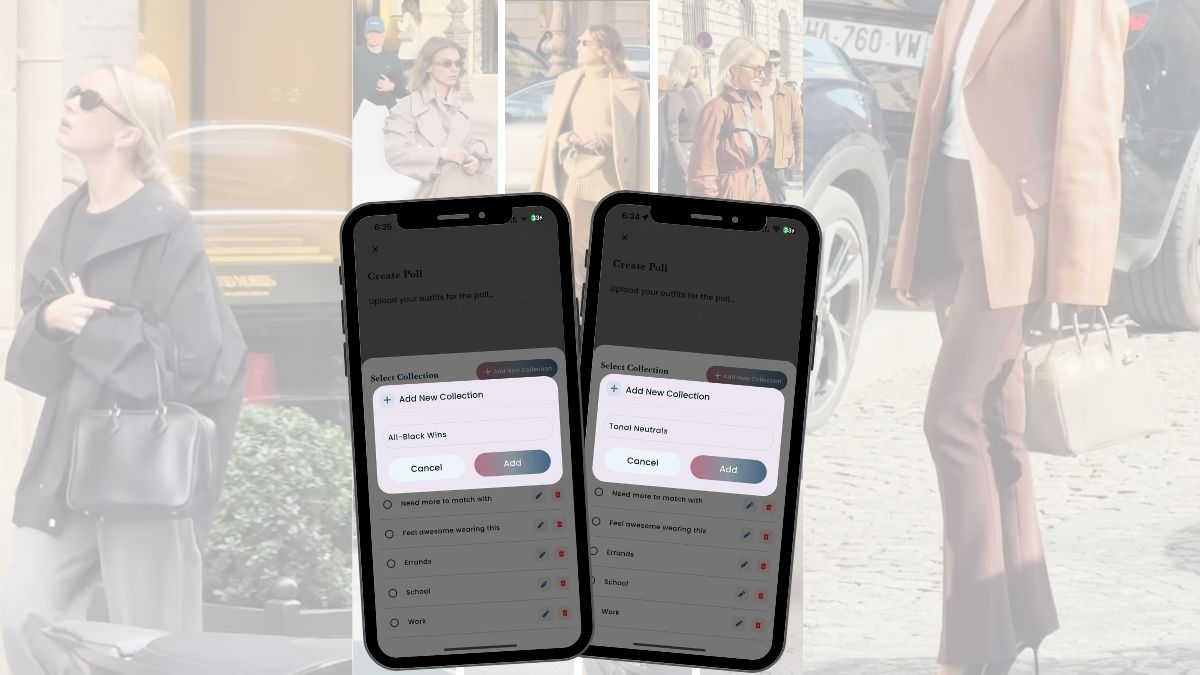
A monochromatic outfit isn’t boring. It’s one of the most advanced styling moves you can learn. I thought I’d talk about it on the heels of the “pop of color” post I just did because both are equally chic, and I didn’t want to imply (by talking about colorful outfits) that I don’t also love monochromatic outfits as well. Look at the beige-on-beige outfit with the cream knit, camel trench, and taupe trousers. Or the all-white look, layered with an ivory jacket and crisp white denim. These outfits work because they use multiple shades of the same color family plus texture contrast to create depth.  Your body is unique. What reads as “elegant cream” on someone else might look unfinished on you, or it might be exactly right. The only way to know is to test it side by side. When you’re building a tonal look and can’t decide between the all-cream version or the version with a deeper camel coat, post side-by-side outfit selfies in Adjust My Crown and let real votes show you which one has more depth, or just use the side-by-side selfies to analyze the monochromatic outfit aesthetic for yourself.  What Makes Tonal Dressing Work in Real Life Tonal dressing means staying within one color family—but using multiple shades and textures so your outfit doesn’t flatten out. Each piece is a slightly different shade of neutral, and each texture is distinct. That’s what creates visual interest without adding more colors. This is what to wear when you want to look polished but don’t want to think hard about color combinations or adding patterns. Once you know which tonal families work on your coloring and in your life, you can pick your outfit easily by stacking shades you already own. The formula stays the same: play with shades and play with texture and a quick test in your favorite new wardrobe app to confirm it works on you. Tonal Dressing Can Be Colorful Too Monochromatic simply means working within one color family. That family can be camel — or it can be raspberry, butter yellow, lilac, cobalt, sage. The sophistication comes from variation, not neutrality. The formula is straightforward: Head-to-toe pink works when it moves from blush to rose to fuchsia. Purple feels intentional when lavender is paired with pink. Yellow becomes polished when pale butter meets deep marigold instead of one flat tone. Neutrals are safe. Tonal color is strategic. When done well, it reads confident — not loud. The Shade + Texture Formula Start with different shades within the same color family. In the tan and brown outfits, you’re seeing ivory, camel, and chocolate brown layered together. In the all-black looks, there’s charcoal, true black, and softer black knits creating subtle contrast. The shades are close enough to feel related but far enough apart that you see the difference in a photo. Then add texture contrast. Texture is what makes a monochromatic outfit look interesting and stylish instead of flat. It’s the fastest way to elevate without buying anything new. If you’re torn between two versions—maybe swapping the cream sweater for a beige one, or choosing between tan boots and white boots in your neutral look, consider it with the help of side-by-side outfit selfies in AMC. Post both options and let votes show you which combination reads as more intentional. A wardrobe app like Adjust My Crown makes this a 30-second decision instead of a 20-minute spiral, and AMC also helps you remember the outfit to wear on a “nothing is going right” kind of morning (which are coming, whether we like it or not).  Why Side-by-Side Testing Matters for Tonal Looks Tonal outfits are unforgiving in one specific way: if one shade is off, the whole thing can look like you got dressed in the dark. That’s why you need to see your options next to each other. Compare the black-and-white outfit to the all-black version —both are monochrome, but they create totally different effects. Take two photos in the same light. In one, wear your planned tonal outfit. In the other, swap one shade—try a darker coat, lighter trousers, or a different texture. Post both as a poll. Use the side-by-side outfit selfies to analyze the difference based on your proportions. Color “blocking” looks incredible on some people but doesn’t add that confident polish to others. Your proportions are totally unique to you and how your shades and colors best accentuate your gorgeous self is as unique as you.  The votes will tell you whether your original plan works or if one piece is dragging the look down. You’re not asking if it looks “okay.” You’re asking which version creates the most depth and intention. Maybe you don’t want votes, you just want to see the outfit selfies side-by-side. Just end your poll immediately. It’s my favorite way to use AMC, personally. The side-by-side outfit selfies are how you build confidence in your tonal formulas without relying on someone else’s body or someone else’s rules. Once you find a winning combination, Adjust My Crown automatically saves it into your Collections. Name it “Tonal Neutrals” or “All-Black Wins” so you stop forgetting what to wear when you want that polished, monochromatic outfit aesthetic again. You’re not reinventing it every time. You’re just repeating what already worked. Learn from These Street Style Tonal Outfits The burgundy and brown leather outfits follow the same rule. Rust trousers, chocolate blazer, cognac boots—or wine-toned leather pieces with deep brown accessories. These aren’t accidents—they’re tested formulas. You can build your own versions by pulling three shades from your closet, adding texture contrast, and posting a poll to confirm it works on your body. This is how you pick your outfit based on evidence instead of hope. You’re not guessing whether beige looks good on you. You’re testing whether this specific beige next to that camel and this cream creates the depth you want. Big difference. When you do commit to tonal dressing, save the wins in Adjust

Read More »
Style Tips

Pop of Color Outfits That Actually Work (And How to Remember Them)

Use a Wardrobe App to Pick Your Outfit Without Starting Over Every Day The Baseline Rule A pop of color works best when the base outfit is already calm. Neutrals, simple silhouettes, nothing competing for attention. The mistake people make is adding color on top of chaos.​ Start here: The calm foundation lets your color choice register as intentional rather than random.​ Where to Add Color The easiest way to add a pop of color is to choose one item that contrasts the rest of the outfit:​ A scarf – love this for fall/winter when everything else is (usually) dark. A bright silk scarf at your neck or looped through your coat adds sophistication without feeling loud. I’m so inspired by the scarf attached to the bag with an Hermes CDC bracelet. So chic. A bag – This is probably the easiest option because you can switch it out depending on your mood. Bright cobalt crossbody with all-black? Works. Green tote with navy and gray? Also works.​ Hot pink with any neutral? Sign me up. Shoes – If you want a signature look, go with a colored shoe. Red boots, pink heels, yellow sneakers… whatever feels like you. The bonus is it creates visual interest at the bottom of your outfit, which is surprisingly flattering.​ A jacket or blazer – A purple blazer over neutrals, a blue cardigan with gray jeans… this gives you structure AND color at the same time.​ That’s it. One.​ The Decision Problem If you’re deciding between options, don’t guess. This is where using a wardrobe app helps, especially when they’re outfit selfies instead of layflats.​ Layflats just don’t capture proportion right. Take two photos of the same outfit with different color choices and compare them side-by-side. You’ll see immediately which looks intentional and which looks try-hard. When you can pick your outfit visually, and see outfit selfies side-by-side, color stops feeling risky and can start to make sense. Adjust My Crown lets you test variations without getting dressed multiple times and still not being confident. Upload two versions as a poll: same base outfit, different colored accessory. The side-by-side outfit selfie comparison removes guesswork.​ All options are saved automatically into your lookbook. That’s how you stop rethinking the same “what to wear” question every morning.​ You won’t be hoping for a wardrobe fairy to pick your outfit for you. You’ll know what to wear. What Doesn’t Work Avoid these common mistakes: How Stylish Wardrobes Get Built This is how stylish wardrobes get built: fewer decisions, better memory, less noise.​ When you save successful combinations, base outfit plus winning color choice, you create a reference library of what to wear. You stop starting from scratch. You stop buying accessories in colors you’ll never actually wear.​ Visual wardrobe management makes the difference. Seeing your outfits side-by-side clarifies what works on your body, with your proportions, in your actual life.​ The goal isn’t to add more color for the sake of adding color. The goal is to add the right color, once, and remember it. The goal is to show us who you are.

Read More »
Style Tips

What’s One Styling Trick that Instantly Upgrades an Outfit

Quick Answer + Do Today TL;DR: To how to elevate your outfit, add one “third piece” (structured layer) and one contrasting texture. This makes basics look intentional because your eye reads shape + contrast as polish. If you’re learning how to look put together, stop chasing “better basics” and start mixing soft with structured, smooth with textured, light with dark. Do this: Use the outfit hacks tips blog post rule: pick one structured layer (blazer, denim jacket, moto, crisp overshirt). Then: Add one texture accessory that doesn’t match (leather belt, suede bag, woven strap). Next: Create contrast on purpose: light top + dark bottom, or smooth + chunky. Stop when: You have a clean frame, one “different” texture, and you’d wear it as-is. AMC move: Post a 2-photo poll (before/after), then save the winner to a Collection called Third Piece Winners so you don’t forget what works. Tiny Tweak, Big Change You already own the pieces. A white tee and jeans look fine. A white tee, dark jeans, a leather belt, and a structured blazer (or any 'third-piece") look intentional. The difference isn't price. It's using texture and contrast to elevate your outfit. I've watched this shift happen hundreds of times. The moment someone adds a "Third Piece" over the same tank and jeans, the outfit transforms. Not because denim is fancy, but because it added a contrasting texture. That's the secret: mixing soft with structured, smooth with textured, light with dark. Texture Tricks That Work Start with a structured-over-soft layer as your go-to rule anytime an outfit feels too floppy or unfinished. The formula is simple: one firm layer on top + one softer layer underneath to create contrast and instant shape. A blazer over a tee anchors the look, while a denim jacket over a knit dress adds definition without making it feel too formal. A moto jacket over a flowy blouse keeps the softness but sharpens the outfit so it looks intentional, not accidental. The structured piece does the heavy lifting by creating a clean frame, which prevents that “drowning in fabric” effect. Accessories Can Play Too Add one accessory texture that’s intentionally different from everything else you’re wearing. Think long leather gloves with a sleeveless dress, leather jacket over a dress, woven belt on a cotton dress, suede bag with a linen outfit, chunky scarf over a smooth sweater, or a leather watch strap when the rest is soft knit. The key isn’t price—it’s contrast—so yes, a thrifted leather belt can look wildly expensive if it’s the only “different” texture in the outfit. The contrast is subtle, but your brain registers it as “polished.” That’s the difference between I threw this on and I got dressed on purpose, without spending an hour in front of a mirror. Why This Works as a Preshopping Filter Before you buy another "basic" piece, ask yourself: does this add a new texture or contrast to my wardrobe, or is it just another version of what I already have? If you own three cotton tees and you're eyeing a fourth, skip it. If you don't own a structured blazer or a leather belt or a chunky knit, that's where your next purchase should go. The 1:5 rule applies here. For every new texture or contrast piece you bring in, you should be able to style it five different ways with what you already own. If you can't, it's clutter, not a building block. Use preshopping polls to test whether a potential purchase will actually elevate your current outfits. Post a photo of what you're considering styled with pieces you already have. If voters prefer your existing outfit, you just saved yourself money and regret. The Long Game These outfit hacks tips aren't about following rigid style rules. They're about building a personal library of tested wins. Over time, you'll notice patterns. Maybe you always feel more polished in outfits with a structured third layer. Maybe dark bottoms with light tops photograph better on your body. Maybe a textured belt makes every dress work harder. That's your style system. It's not aspirational. It's evidence. And once you have it, getting dressed becomes faster, easier, and way less expensive. What counts as a “third piece” for looking more polished? Any extra layer that creates a clean frame: blazer, denim jacket, moto jacket, crisp overshirt, structured cardigan, or longline vest. The key is that it adds shape and contrast, not that it’s expensive. How do I look put together if I hate blazers? Use structure without “business.” Try a denim jacket, chore jacket, crisp button-down worn open, or a structured cardigan. You’re chasing the framed silhouette, not a specific item. What’s the fastest accessory upgrade that doesn’t feel try-hard? Add one “different texture” piece: a leather belt, suede bag, woven strap, or chunky scarf. Keep it to one standout texture so it reads intentional, not busy. How do I use the 1:5 rule before I buy another “basic”? If a new piece can’t create five outfits with what you already own, it’s not a building block. Prioritize items that add a new texture (leather, chunky knit, structured outerwear) over duplicates of the same fabric. How do I know when an outfit is elevated enough and I should stop? Stop when you have (1) a clear frame from a third piece or structure, (2) one intentional contrast, and (3) nothing you keep tugging or adjusting. If it feels calm on your body, it looks polished.

Read More »
Style Tips

What to Wear When It’s Still Freezing but You’re Dreaming of Spring

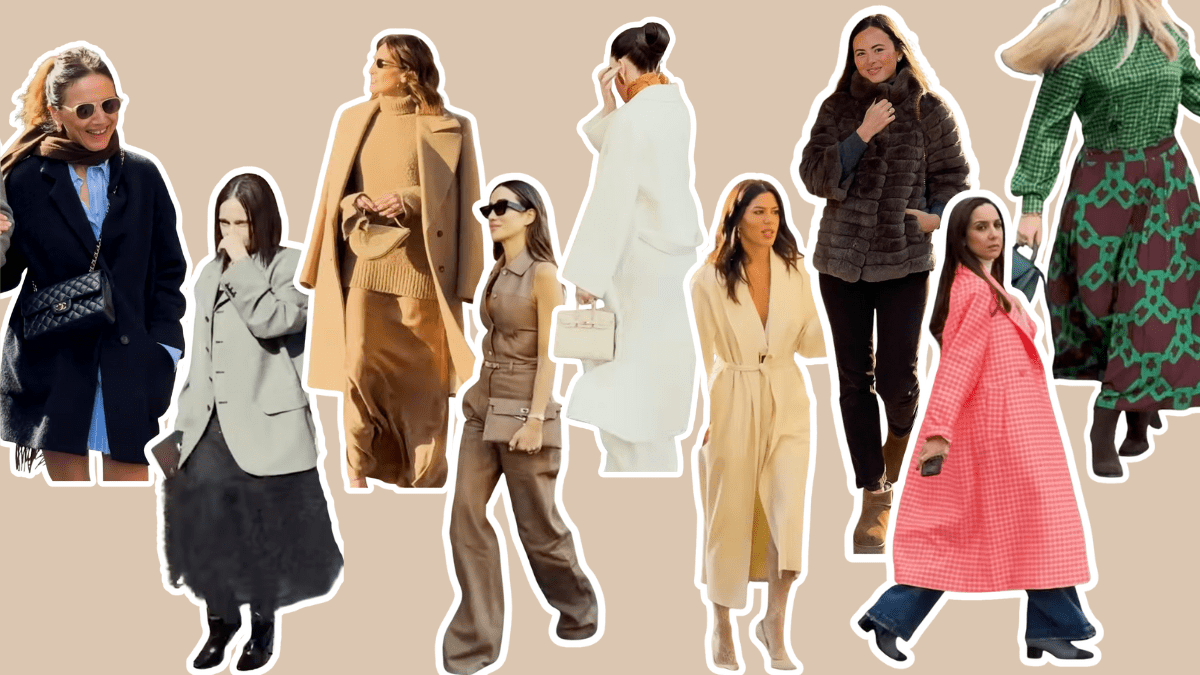
Quick Answer + Do Today TL;DR: The best winter outfit ideas when you have nothing to wear aren’t new clothes — they’re tiny swaps that break your outfit autopilot. Change one piece (shoes, coat styling, tuck, or layer) and your same closet instantly gives you new casual outfit ideas without freezing or starting over. Do this: Pick your most repeated “winter formula” (like sweater + jeans + boots). Then: Swap only ONE element tomorrow (boots → loafers, tuck → untucked + vest, coat buttoned → coat open). Next: Try one spring-feeling layer (sweater over a summer dress, or monochrome + texture). Stop when: You have 2 outfits that feel new — using the exact same closet. AMC move: Post a 2-photo poll in Adjust My Crown when you’re stuck between two versions. Save the winner to a Collection called Late Winter Wins so you don’t forget what worked. Casual Outfit Ideas from the Closet You’re Sick Of It's late winter and you're in style limbo. You've exhausted every possible combination of your three favorite sweaters, you're actively avoiding mirrors when you put on that same coat again, though you loved it at one time, and now the best you can say for it is that it keeps you warm. Your boots might actually be fused to your feet at this point. The closet is full but somehow you have "nothing to wear." It's that special kind of wardrobe fatigue that hits hardest when it's still freezing but you're mentally already in spring. You really did see some daffodils poking through the frozen ground. The reason you're bored isn't because your clothes are boring. It's because you're stuck in the same three outfit loops. You need permission to break your own rules. Try swapping just one element tomorrow: if you always do sweater-jeans-boots, try sweater-jeans-loafers. Always wear your coat buttoned? Throw it open over a dress. Always tuck? Leave it out and add a vest. When you're staring at two options and can't decide which pairing actually works, post a 2-photo poll in Adjust My Crown. Let people vote on which combination looks better on your actual body instead of spiraling in your head about it. The Real Formula is Breaking Your Formula Your outfit rut exists because humans are creatures of habit who find one combination that works and repeat it until we want to burn our entire wardrobe. The fix isn't ten new formulas to memorize—it's permission to change just one element of what you normally wear. Always do sweater-jeans-boots? Try sweater-jeans-loafers. Always wear your coat buttoned? Throw it open over a dress. Always tuck in your shirt? Leave it out and add a vest. Your closet isn't the problem. Your autopilot is. Mix one thing differently tomorrow and suddenly you'll remember why you bought these clothes in the first place. Repeat Your Tested Wins The whole point of testing these winter outfit ideas when you have nothing to wear isn't to create four new outfits you'll wear once and forget. It's to find the one or two combinations that actually work on your body, save them to a collection, and repeat them without guilt. That's how you stop standing in front of a full closet feeling like you have nothing. You build a rotation of proven wins and stop reinventing the wheel every morning. Play with your outfits to get inspiration The reason you're bored isn't because your clothes are boring. It's because you're stuck in the same patterns. Break out by playing: Proportions –Play with proportions: oversized cardigan over fitted turtleneck with slim pants and chunky boots creates visual tension that looks intentional, not accidental. In the street style image, I love the oversized blazer with the massive tulle skirt. –AMC move: If you own two cardigans, two blazers, or two sweater styles and you're not sure which proportion playing flatters you more, run a side-by-side poll. Stop second-guessing. Monochromatic or Tonal Outfits –Go full monochrome: head-to-toe cream, navy, camel, or chocolate brown in mixed textures. –AMC move: Post your monochrome attempt as a poll if you're unsure whether it looks chic or like you got dressed in the dark. The feedback tells you if the texture mix is working or if you need more contrast. ​ Fabulous Outerwear –Let one piece do all the talking: wear your most boring basics (black jeans, black sweater) and throw on the loudest coat, most colorful cardigan, or most extra blazer you own. –AMC move: If you have two statement coats and you're not sure which one actually makes the outfit, post the comparison. Save the one that gets votes so you know which coat to grab when you're running late. Play with Patterns –Pattern clash: pair stripes with checks, florals with plaids, or any two prints you usually “save” for solids. The chaos is the point.–AMC move: Not sure if your pattern mix looks editorial or like a fabric store exploded? Post it as a poll. You'll know in five minutes whether it's working or if you need to dial it back. Remember Post a poll if you're choosing between two pairings to get out of the winter slump. Save the combo that wins so you remember winter outfit ideas when you have nothing to wear. Every time you post a poll, you're building a visual record of what works instead of relying on memory or that one time three years ago when you felt good in an outfit you can't recreate now, but you're sick of every winter outfit you own. Winter Outfit Ideas When You Have Nothing to Wear: FAQs Why do I feel like I have nothing to wear when my closet is full? Because you’re repeating the same 2–3 outfit loops on autopilot. The clothes aren’t the problem. The repetition is. One small swap (shoes, coat styling, tuck, or layer) makes your closet feel new again. What should I wear when it’s freezing but I’m over winter clothes? Start with your warm base outfit,

Read More »
Your spring wardrobe essentials are already in your closet. Track outfits for 30 days to spot repeats, build a capsule, and shop smarter.
Style Tips

Spring Wardrobe Essentials You’ll Actually Wear

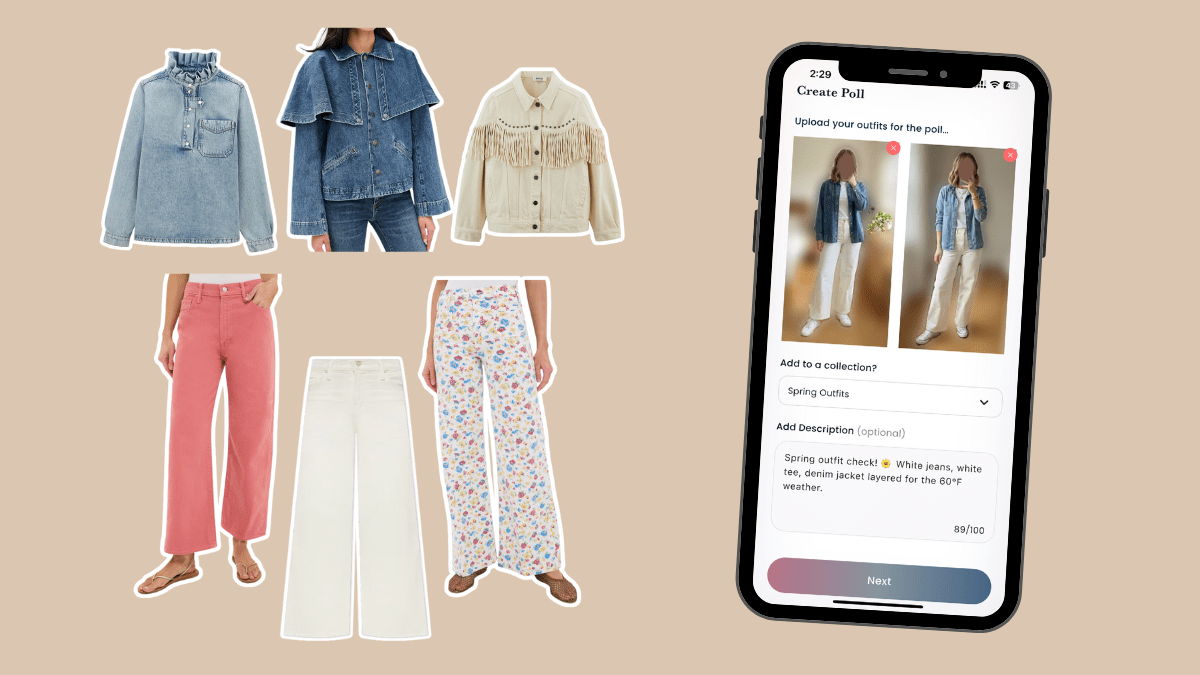
Quick Answer + Do Today TL;DR: Your spring wardrobe essentials are the pieces you already reach for when the weather flips. Track your daily outfits for 30 days, then review what repeats to build a capsule wardrobe women can actually live in—without buying “should” items. Let your photos reveal your real formulas and the few gaps worth filling. Do this: Take 1 quick outfit photo daily for 30 days. Then: Save each look into a single Spring collection. Next: Count repeats and name your top 5–8 outfit formulas. Stop when: You can list your top 10 most-worn pieces. AMC move: Post a 2-photo poll (before/after), then save the winner to a Collection called my spring capsule so you don’t forget what works. (Because You Already Do) Every March, articles promise that 12 spring wardrobe essentials will solve your getting-dressed problems. White tee, trench coat, straight-leg jeans, ballet flats. You buy three items. You wear one. The rest join the graveyard of good intentions in your closet. Here’s what nobody tells you: your spring wardrobe essentials already exist. They’re the pieces you wore last April when it was 62 degrees and drizzling. The jacket you grabbed for the outdoor birthday party. The pants that worked for both meetings and date night. You already know what works, but you haven’t been “remembering” (the R in “STAR”). You’re Already Wearing 20% of Your Closet on Repeat If you believe in the 80/20 Pareto Principle, then it would mean you are wearing about 20% of your wardrobe 80% of the time. If you own 100 pieces, you’re rotating through roughly 20 favorites while the other 80 collect dust. You’ve already self-selected a capsule wardrobe you actually wear. You just haven’t formalized it. The problem isn’t that you don’t know what works. It’s that you keep shopping as if you don’t. Without a record of what you actually reach for when you’re running late or feeling confident, you’re buying blind. Track your daily outfits for 30 days and patterns emerge fast. You’ll see the black jeans appear four times a week. The denim jacket in 60% of spring outfits. The floral midi skirt you’ve never once chosen. If you’re wearing black jeans 4x/week in winter, that is permission to buy pink jeans for spring. Or play it safe, update your spring jean rotation with a white pair in a trendier, wide leg? Let Your Spring Capsule Write Itself Use Adjust My Crown to snap a quick photo of your outfit each day. The app automatically saves everything into Collections, so after 30 days you can scroll back and see exactly what you wore, how often, and in what combinations. You’ll spot your true spring wardrobe essentials, not theoretical ones linked from your favorite influencers, but literal pieces you grabbed when the weather was unpredictable and you had 10 minutes to get up and out the door. You’ll see your outfit formulas. Most people have 5-8 repeating combinations they cycle through without realizing it. Once you can see them saved in Collections, you stop reinventing the wheel every morning. You know dark jeans plus white tee plus blazer works. You just keep rebuilding that formula with slight variations. For your spring capsule you can translate that into white jeans plus white tee plus a denim layer. What 30 Days of Tracking Reveals After tracking your daily outfits for a month, you’ll identify real gaps in your seasonal wardrobe or your seasonal capsule. If you’re wearing the same wrinkled linen pants in 12 photos because you don’t have a second pair that works, that’s useful intel. Shopping becomes need-based (gap filling), not inspiration-based (reactionary?). You’ll also build a do-not-buy-again list. The trendy top you wore once. The “fun” shoes that hurt, but you couldn’t really walk in them. When you’re tempted by a similar item next spring, you’ll have evidence it won’t get worn. Spring is the hardest season to dress for because temperatures swing 30 degrees between morning and afternoon. Tracking shows you which jacket appears 15 times in April, which trench only gets worn on rainy mornings, and which cardigan never makes it outside. This is where adding Comments is important. Note the temp for the day and in one pic show your outfit, with outerwear. In the other pic, show your outfit that’s under the outerwear. Stop Guessing, Start Saving What Works Your spring wardrobe essentials aren’t something you build from scratch. They’re something you uncover by paying attention to what you’re already choosing. Post a quick outfit photo in Adjust My Crown each day for 30 days. By the end of April, you’ll have a full collection of your real spring daily outfits. Scroll through them. Notice what repeats. That’s your capsule wardrobe you actually wear. When you see the same jacket in 15 photos, you know it’s worth keeping. When you spot a gap like “I keep wearing this one pair of pants because I don’t have a second option,” you know what to shop for. Track your outfits and let your photos show you what works. $258 If you notice you wear black jeans 4x/week in winter, why not splurge on a pair of jeans that scream spring? Take me there $238 If the florals are too much, why not some pink jeans? If you already stray from blue jeans these could be a fun way to multiply your fits. Take me there $227 If the florals and ‘clay’ color are too uncomfortable, wear a very ‘safe’ white but in an updated shape for spring. Take me there $498 A perfect, trendy way to update the ‘uniform’ from last year, that makes all your outfits suddenly feel totally current. Take me there $335 Another trend; fringe. And just like that, all of last year’s clothes are fresh again. Take me there $270 I love the juxtaposition of the denim and the ruffle neck. This is oddly hard for me to take off when spring’s freezing mornings turn sweltering, but otherwise,

Read More »