
How Do I Build a Capsule Wardrobe from Outfits I Actually Wear?
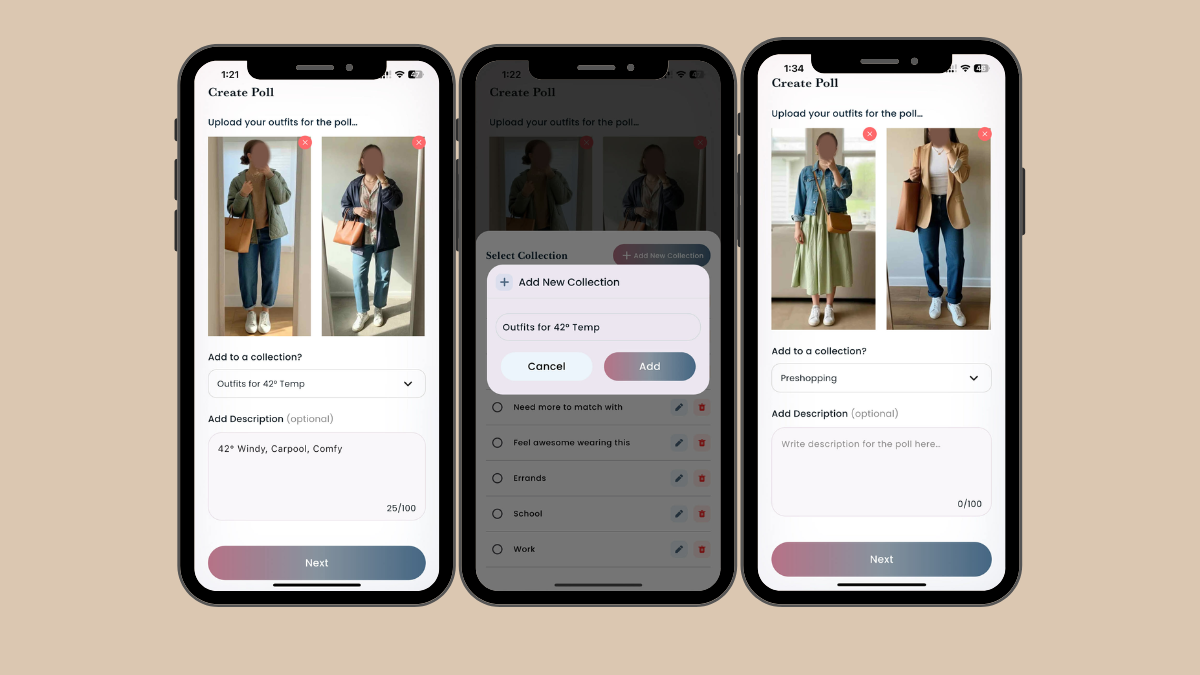
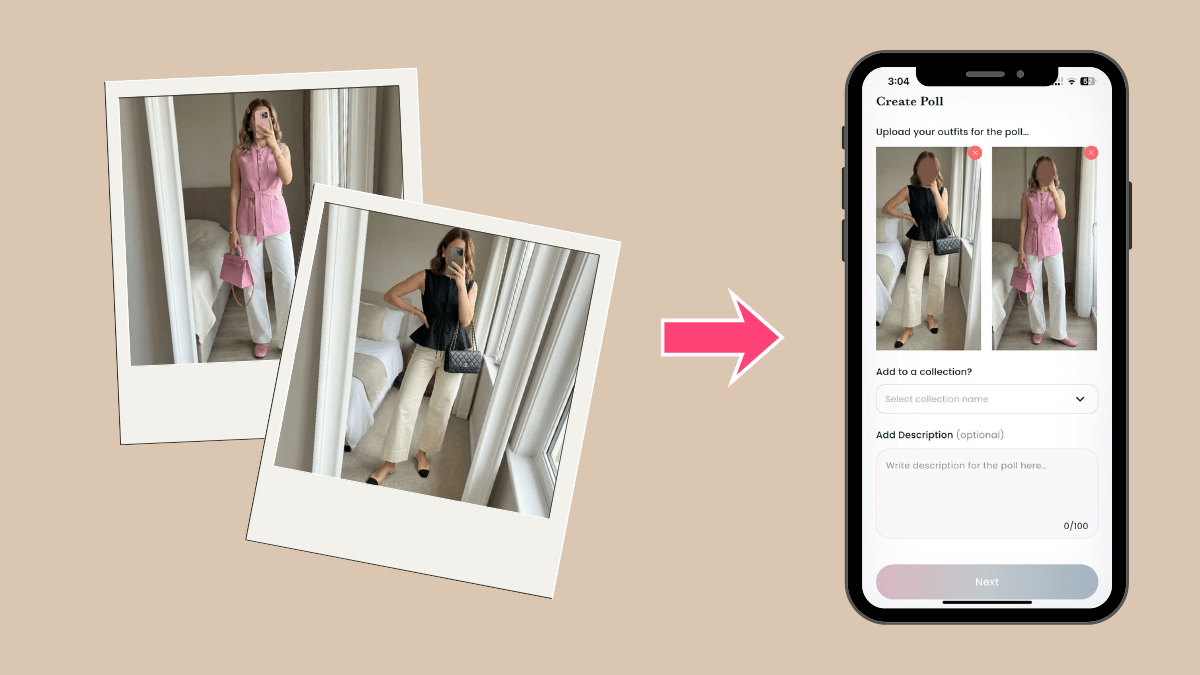
Quick Answer + Do Today TL;DR: Build a capsule wardrobe by using your last 14 days of real outfits as data: find your most-worn “multiplier” pieces, track which items create the most repeats, then fill only the gaps that double proven combinations. Use your saved photos for outfit ideas for women and faster what to wear decisions—without buying a whole new checklist. Do this: Open your 2-week Collection and tally your most-worn bottoms and tops. Then: Count how many unique pairings each “multiplier” created (that’s your baseline math). Next: Identify one gap that would double a proven combo (not a “nice-to-have”). Stop when: You can create 10–15 repeatable winter outfits without adding “supporting” purchases. AMC move: Post a 2-photo poll (before/after), then save the winner to a Collection called Winter Multipliers (or spring multipliers or whatever the current season is) so you don’t forget what works. How Many Outfits Can I Make from the Pieces I Already Own? You've spent two weeks documenting your daily outfits in Adjust My Crown. You posted front-facing photos every morning. You saved them in a Collection. Now you have fourteen photos showing what you actually wore, not what you wish you wore or what looked good on someone else. That Collection is more valuable than any capsule wardrobe checklist you'll find online. It shows you the pieces your real life already chose. The jeans that appeared six times. The sweater you wore three days in a row. The jacket that went with everything. That's not random. That's data. And now you're going to use it to build a winter capsule wardrobe that multiplies your outfit options instead of limiting them. This isn't about buying ten new essentials. It's about recognizing the multiplication patterns already hiding in your closet. Find Your Most-Worn Bottom and Count Backward Look at your two-week Collection. Which bottom showed up most? For winter, maybe it's your barrel leg jeans (or maybe it's black trousers or a wool midi skirt). Count how many different tops you paired with that one bottom. Let's say you wore those jeans six times with six different tops. That's six outfits from one bottom. Now flip the question. Pick your most-worn top. How many bottoms did it work with? If your cream turtleneck went with three different pants and two skirts, that's five outfits from one top. This is the multiplication principle. You're not building outfits from scratch. You're recognizing which pieces already function as multipliers in your rotation. The goal isn't to force every piece to work with everything. That's the fantasy version of a capsule wardrobe. The goal is to identify your high-performers and understand why they worked so often. Was it the fit? The color? The comfort? The fact that it didn't wrinkle in your work bag after your morning workout? Save Outfit Combinations So You Stop Reinventing The multiplication principle only works if you remember the combinations. You can own twenty pieces that theoretically create fifty outfits, but if you can't recall which tops go with which pants on a Tuesday morning, you'll default to the same three looks. This is where AMC Collections earn their space. When you document an outfit that worked, it's automatically saved with any Comments you added. You can group outfits by Collections you create according to how your mind works: "Winter Work," "Weekend Casual," "Outfits Built from My Black Jeans." Now you have a visual reference library showing which pieces multiply together. Next time you need a work outfit, you don't start from zero. You scroll your "Winter Work" Collection, see that your gray trousers worked with four different sweaters, and pick one. You're not reinventing. You're repeating a proven win. That's how a capsule wardrobe functions in real life. Your Body and Life Matter More Than Formulas A capsule wardrobe formula that works for someone else's body and life won't necessarily work for yours. If you run cold, you need more layers. If you have a long torso, cropped jackets don't multiply your outfits, they limit them. If you work from home three days a week, your casual bottom needs are different from someone who's in an office daily. If you're in college but work in a clothing boutique your needs are different from someone who plays sports for your school or babysits 20 hours a week. The side-by-side photo method doesn't care about universal rules. It shows you what actually worked on your body, in your life, right now. You're not following a ten-piece template. You're building from evidence. If something felt uncomfortable or didn't get worn during your two-week trial, it doesn't belong in your capsule wardrobe, even if it "should" work on paper. Comfort and confidence aren't negotiable. Test everything. Keep only the heck-yes pieces. A maybe is a no. Build Multiplication, Not Collection The traditional capsule wardrobe advice says "buy less." But that's not the insight. The insight is "buy pieces that multiply your existing outfits, not pieces that require new purchases to function." Your two-week documentation shows you which items are already multipliers. Maybe it's your black ankle boots that went with pants, skirts, and dresses. Maybe it's your camel coat that worked over everything. When you shop, you're not filling an arbitrary checklist. You're adding strategic pieces that expand your proven combinations. If you notice your most-worn top only works with one bottom, adding a second compatible bottom doubles those outfits. If your favorite jeans work with four tops, adding a fifth top that works with those same jeans gives you five more outfit options. Thrifting and secondhand become easier when you know your exact multiplication needs. You're not browsing aimlessly. You're hunting a specific shape or color that plugs into your tested system. You know your barrel leg jeans work best with fitted tops. You know your oversized sweater needs a slim bottom. Less guessing. Less returns. More intentional gaps filled with pieces you'll actually wear. Your capsule wardrobe isn't a minimalist performance or a shopping restriction.