Style effortlessly. Live confidently.

Outfit Decisions

How To Always Look Put Together With Low Effort Outfits: The White Top + Skirt Formula (Milan Summer Edition)

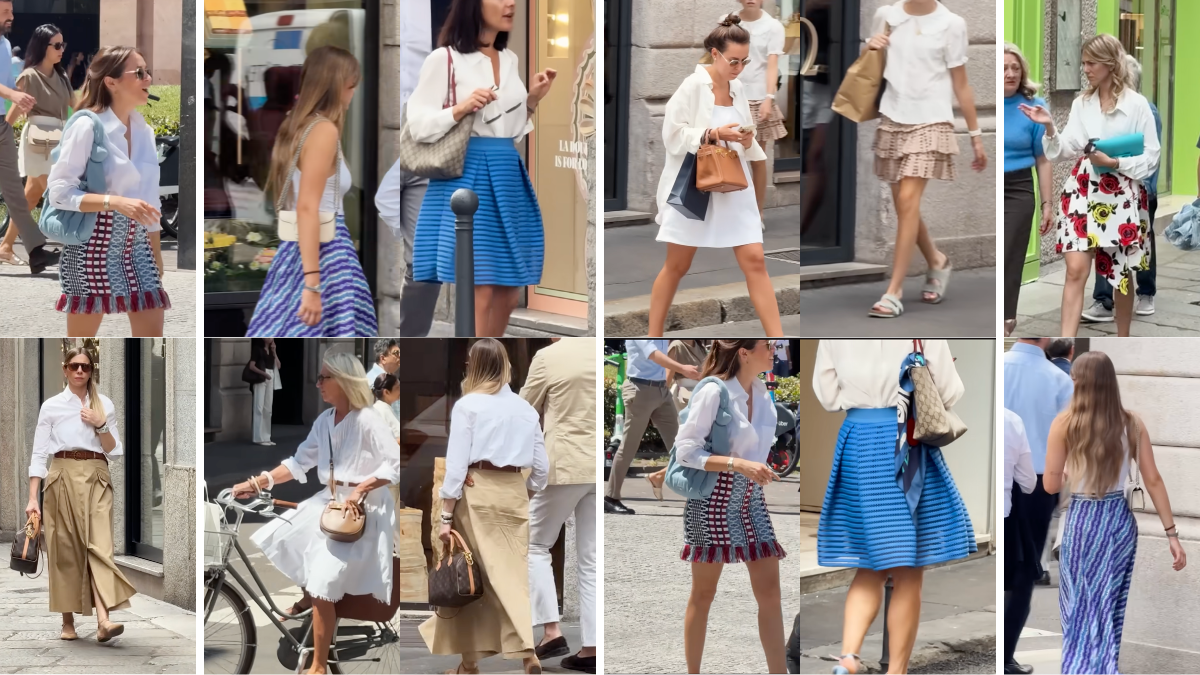
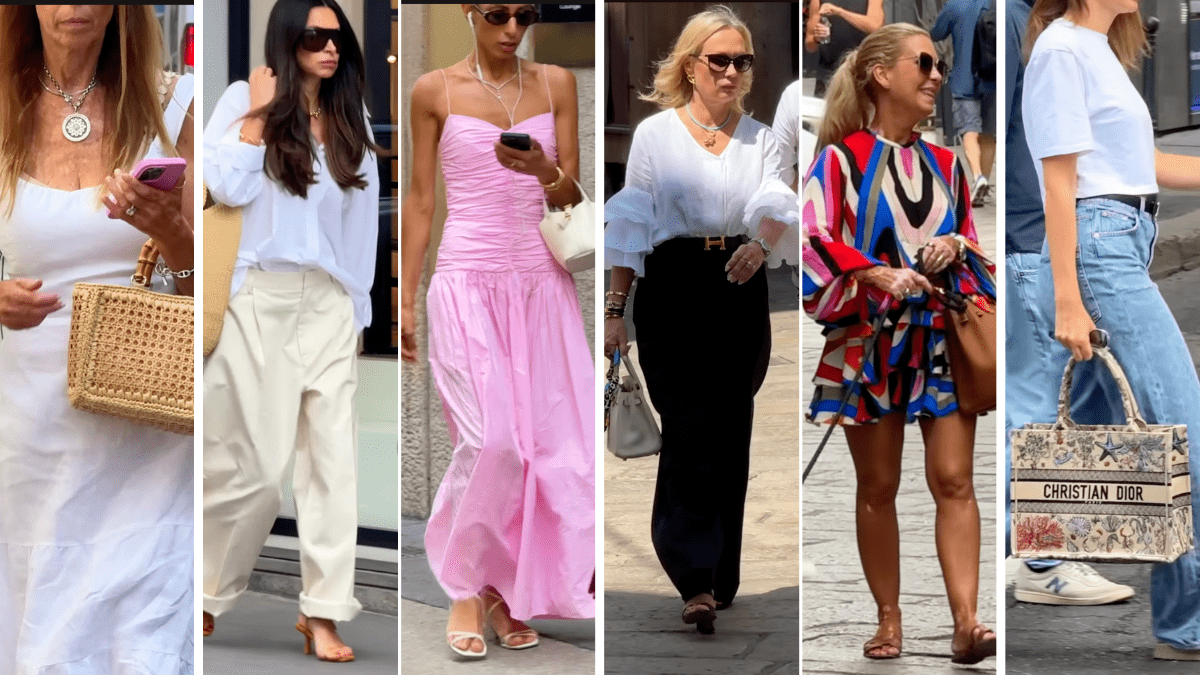
If Milan street style has taught us anything, it’s that low effort outfits are actually the most stylish ones. The women who look effortlessly chic aren’t working harder or making more effort. They’re wearing better combinations. A formula I see over and over? A white top and a skirt. Here’s how to steal it and always look put together, but with low effort.  Why Italian Women Swear By This Outfit Combination Walk the streets of Milan and you’ll spot it everywhere. A white shirt, a statement skirt, one great bag. The shoes are probably functional and walking miles. Then there’s the woman in a pair of impossible heels who seems to hover above the grates that trip me up. White shirt outfits work because a clean top lets the skirt be the focal point. Think bold prints, structural shapes, bright color, movement.  The lesson: your top doesn’t need to work hard because your skirt does.  The Milan Formula Top: A relaxed white button-down (slightly oversized reads more can chic than fitted. Don’t assume skin tight and showing off your body is always best.. This is your first Adjust My Crown test. Which SHAPE works BEST for the skirt: your fitted or your oversized?), a clean fitted tee, or a simple white tank. Tucked or half-tucked — never fully untucked and loose Skirt: This is where personality lives. Milan street style leans into bold — graphic prints, cobalt blue, floral, fringe detail, tiered layers, structured khaki. Pick one skirt that says something. It can be several years old. No one knows or cares how new or not new your clothes are. They’ll remember whether or not it all came together well.  Shoes: Understated. Red flats, simple sandals, white sneakers, or slides. Whatever works for your day will work for this outfit. You can’t go wrong. Bag: One structured bag, worn with intention. A tote, a mini shoulder bag, or a classic carry. One optional detail: A cognac or tan leather belt if the skirt calls for it. That’s the whole outfit. 6 White Shirt Outfits Straight From Milan Streets 1. The Graphic Print Mini, fringe optional White button-down tucked into a bold printed mini skirt with fringe or texture detail. Red mesh mary jane ballet flats. Very Milan, very European, very done. 2. The Flowing Maxi Simple white tank, half tucked into a purple or printed flowing maxi skirt. Flat sandals or pointed flats. Zero effort, maximum impact. 3. The Color Skirt Move Crisp white top with a structured cobalt blue skirt — A-line or pleated. Let the color do everything. Keep the rest neutral. 4. The All-White Moment White oversized shirt with a white mini or tiered skirt. Slides or sandals. This one looks harder to pull off than it is. 5. The Floral + Sneakers White button-down open over a fitted tee, bold floral midi skirt, clean white sneakers. The sneaker keeps it from feeling overdressed. 6. The Neutral Tonal Stack Oversized white button-down tucked into a khaki or camel structured maxi skirt, cinched with a cognac leather belt. Nude sandals, one quality bag. This is the outfit that looks like you tried hard but took four minutes. The belt is the move — it’s the one detail that makes everything feel intentional. 7. The Sweet Collar + Sandal Contrast This is my personal favorite because of my love of contrasts and Birkenstocks in particular. Crisp white blouse with an oversized Peter Pan collar + a tiered eyelet mini skirt, finished with chunky slide sandals. The “pretty” pieces could go costume-y fast — the practical shoe is the save. Keep accessories simple and let the contrast do the work. How To Always Look Put Together: The Real Secret (and it’s not shopping more) The reason Italian women always look put together isn’t a bigger wardrobe: it’s a cleaner decision making. One statement piece. One neutral anchor. One bag. Done. It does seem like it’s in their DNA too, which doesn’t feel fair. But who said life was fair. The women who nail low effort outfits aren’t reinventing their look daily. They’re repeating a formula with small swaps. Same white top energy, different skirt. Find Your Winning Combination With Side-By-Side Outfit Selfies Here’s where most people get stuck — you think you know which version of an outfit looks better, but you’re deciding in a rushed mirror moment with bad lighting and low confidence. Which means you’re not seeing clearly. Notice how seeing the same outfit from two angles changes everything — suddenly you can actually evaluate it. That’s exactly what a side-by-side comparison does for your own outfits. Same base, one variable changed. Flats vs. sneakers. Tucked vs. half-tucked. Printed skirt vs. solid. Post both looks and let real votes tell you which one actually wins. That’s the whole idea behind Adjust My Crown — it turns outfit guessing into outfit data. Your personal archive of what works, built one side-by-side at a time. The exact steps people take in AMC to post a poll (and actually use the result) Find Your Winning Combination With Side-By-Side Outfit SelfiesHere’s where most people get stuck — you think you know which version of an outfit looks better, but you’re deciding in a rushed mirror moment with bad lighting and low confidence. Notice how seeing the same outfit from two angles changes everything — suddenly you can actually evaluate it. That’s exactly what a side-by-side comparison does for your own outfits. Same base, one variable changed. Flats vs. sneakers. Tucked vs. half-tucked. Printed skirt vs. solid. Post both looks and let real votes tell you which one actually wins. That’s the whole idea behind Adjust My Crown — it turns outfit guessing into outfit data. Your personal archive of what works, built one side-by-side at a time. How people actually do it (step-by-step) The sneaky benefit After a few polls, you’re not just getting dressed—you’re building a memory of what works on your body, in your life, with your clothes. That’s the

Read More »
Closet Cleanout

The 3 Types of Purses That Replace Your Entire Collection (Clutch, Crossbody, and Tote System)

…and when should you buy a green purse instead of a brown purse? Most women don’t have a purse problem. They have a decision problem. You own the clutch purse.You own the crossbody bag.You own tote bags.You probably own three versions of an everyday purse. And yet… you still grab the same one. This is not about fashion.It’s about building a functional system. You don’t need twelve bags.You need three categories that actually work for your life. The Minimum Purse System Instead of buying randomly, organize your bags into three functional sizes. 1. Clutch Purse (Small) Phone. Keys. Wallet. Lipstick.Your clutch purse is for evenings, events, stadium games, date nights, and anywhere you want polish without bulk. 2. Crossbody Bag (Hands-Free Small) Still compact, but practical.A crossbody bag is your errand runner, travel companion, theme park hero, and casual day essential. 3. Everyday Purse (Medium) This is your workhorse.An everyday purse fits sunglasses, snacks, water, small notebook, charger, and the reality of a Tuesday. 4. Tote Bags (Large / Hauler) Work files. Gym clothes. Kid supplies. Weekend trip gear.Tote bags serve a purpose—but only if you’re actually hauling something. Optional fourth category: a statement bag that makes you smile.But only after the core three are functioning. Clutch Purse vs Crossbody Bag — The Decision That Trips Everyone Up Most impulse buying happens here. You think you need a new purse. What you really need is clarity between size, lifestyle, and use. A clutch purse sharpens tailored outfits and evening silhouettes. A crossbody bag distributes weight and keeps you mobile. An everyday purse feels practical—but can look bulky if proportions are off. Tote bags can elevate a structured outfit… or overwhelm it. The problem isn’t owning options.It’s not knowing which one actually looks better with your outfits and is optimal for your life. That’s where testing comes in. Why This System Stops Random Buying When you think in terms of purse size categories, that becomes your shopping filter. Before buying a new purse, ask: If the answer isn’t clear, it’s clutter. This is the 1:5 rule in action. One new bag should serve at least five real-life scenarios, from your own life, not a hypothetical life. If it doesn’t, it’s decoration, not function, and doesn’t deserve spending your hard earned money on or the space in your closet. How Each Size Evolves as Your Life Changes Style advice often ignores reality: the categories stay the same, but their jobs rotate. Clutch Purse 20s–30s: festivals, games, concerts, nights out.40s+: dinners, weddings, after-dark elegance. The size doesn’t change. The purpose does. Crossbody Bag Young professional years: commuting, errands, weekend city walking.Parent years: hands-free survival mode, bleachers watching games, travel bag.Later years: errand and travel companion. Everyday Purse Early life: laptop, lunch, gym gear.Midlife: kid snacks, bandaids, chargers, water bottles.Empty nest: keys, phone, sunglasses, paperback. Tote Bags Early life: laptop for class, pens, folders Parent years: backup supplies for everyone.Later years: under-seat travel bag or weekend tote. Same sizes. Maybe even the same bag. Different seasons of life. A system works for decades because it adapts. Which Color Should You Actually Buy? Anyone who knows me knows I love a bright color, a strong accessory, and a little pattern mixing. So here is the challenge: before defaulting to brown, pause and think strategically about the purse you are considering. Instead of buying another brown bag, would olive green bring more life to your outfits?Instead of taupe, what about a light pink?Or go bolder and consider turquoise, emerald, or a green purse that feels intentional rather than predictable. The smartest way to decide is not by guessing in a store. It is by looking at what you actually wear. Use your Collections in Adjust My Crown to review your real wardrobe patterns. When you scroll through your saved outfits, clear color stories begin to appear. That gives you evidence instead of impulse. From there, ask two better questions: Maybe it is rose gold.Maybe it is a metallic purple purse.Maybe it is a green purse that feels bold at first but works with everything you own. It sounds risky until you look closely at your outfits and realize that the unexpected color might be the one that elevates them all. Brown is safe. Strategic color is powerful. Declutter your purses: The Purse Inventory Audit Pull out every purse you own tonight. Sort them by size. Then ask: Track cost per wear. A 40-dollar crossbody bag worn 100 times costs 40 cents per wear. A 300-dollar tote carried twice costs 150 dollars per wear. The goal is not guilt. The goal is evidence. Evidence makes future shopping disciplined. Build Your Three-Bag Foundation Start with the size you use most. Test color against your actual outfits using side-by-side comparisons or by looking through the Collections in your new favorite wardrobe app.  Identify one reliable clutch purse, one crossbody bag, one everyday purse, and functional tote bag. If you have a gap in one of the sizes, this is permission to shop. You’re not collecting purses. You’re repeating wins with the Adjust My Crown app and making life more beautiful and efficient.

Read More »
Outfit Decisions

How to Dress Better: The 3-Rule Contrast Framework

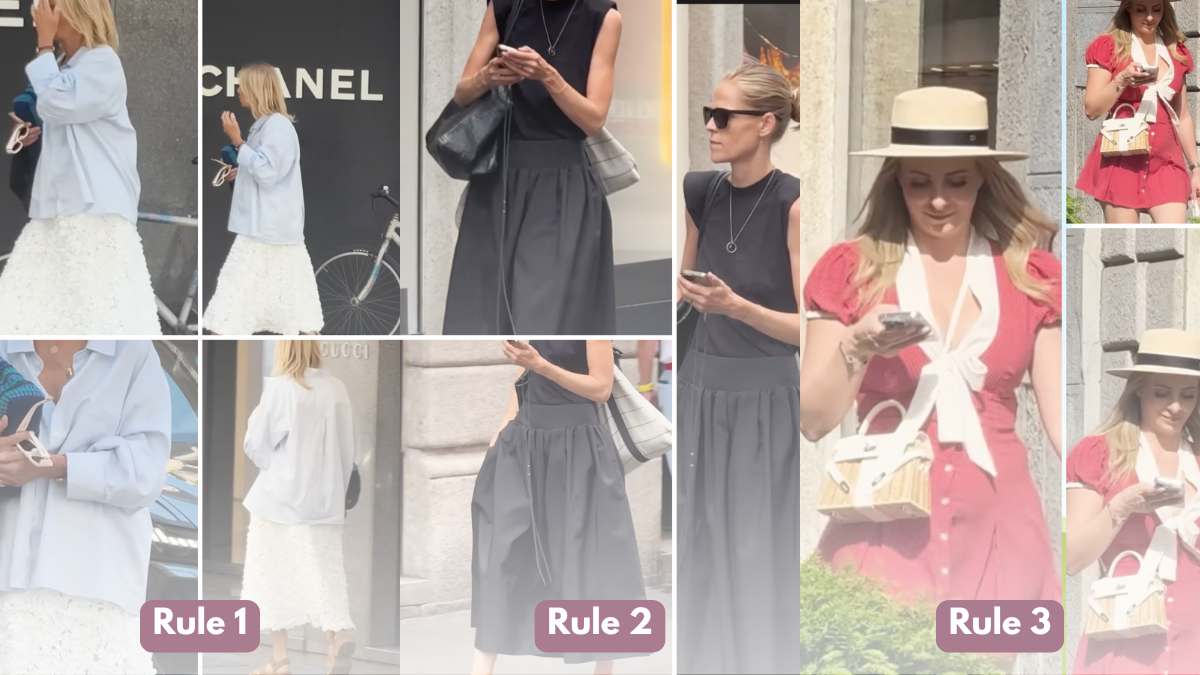
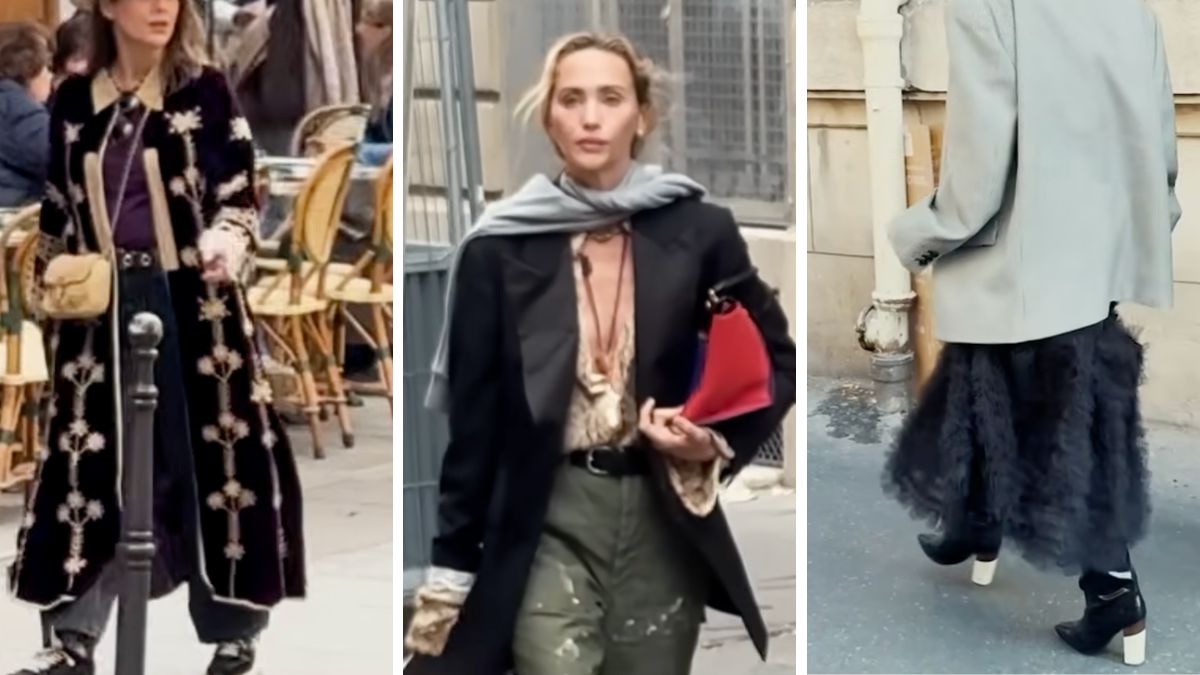
If “how to dress better” has felt like a vague, expensive project, try a simpler truth: tension creates style. Without contrast—mixing structured with soft, masculine with feminine, fancy with casual—outfits go flat because everything is telling the same story. A roomy blazer over a frothy black skirt instantly reads styled, even with minimal accessories. You’re not adopting a new personality. You’re building tension: one “strong” element, one “soft” element, then making sure proportions and shoes translate the message you mean that day (subject to change, according to our moods). How to Create Contrast in Your Outfits Rule 1: One Soft + One Strong Choose a structured top (blazer, crisp shirt, leather jacket) and a fluid bottom (tulle, lace, chiffon, swishy midi). Or reverse it: a sleek knit with a structured trouser. The goal is architectural difference—one piece holds the line, the other moves. Rule 2: Anchor with Shoe Choice A soft skirt with a sharp shoe (pointed flat, sleek heel, refined loafer) reads polished. A soft skirt with a soft shoe can tip into romantic overload fast. Your shoes “vote” on the balance: sneaker = cool and casual, heel = editorial, boot = grounded. Rule 3: Proportion Check An oversized top needs either a defined waist (half-tuck, belt, cropped layer) or a visible ankle (shorter hem, slit, or slimmer shoe) so the volume looks deliberate, not accidental. Show one focal point so you don’t disappear inside the outfit. Contrast Outfit Examples That Work Example 1: Blazer + Frothy Skirt + Sleek Shoe A light oversized blazer over a black tulle skirt creates instant architecture. The blazer provides structure, the skirt provides movement, and the shoe decides the tone. Swap the shoe to change the energy: sneaker = cool downtown, heel = editorial, ankle boot = grounded chic. Don’t assume oversize on oversize won’t work. Try it with side-by-side outfit selfies in your new favorite wardrobe app. Download from Apple. Download from Google Play.  The opposite is also true: sleek dress and comfortable shoe. Example 2: Leather Jacket + Bold Knit or Printed Skirt A moto jacket adds edge while a colorful or striped skirt adds play. The contrast keeps the outfit from feeling costume-y because the hard and soft elements balance each other. Example 3: Leather jacket + cowboy boots (same gorgeous person) Why not mix moto and western? It looks fantastic here. Side-by-side outfit selfies can nudge your outfit in the right direction if you think it’s too much on you. It may work. You never know.  Example 4: Structured Coat + Silky Skirt + Bridge Accessory A crisp wool coat over a fluid slip skirt with a patterned scarf (or structured bag) ties the contrast together. The scarf acts as the “bridge” that makes the mix feel intentional, not random. Common Styling Mistakes to Avoid I will absolutely not be showing examples of this! You can imagine it in your head. If I were organized enough I could show examples of myself, but I’m not that organized. Mistake 1: Two Soft Pieces + Soft ShoesA floaty skirt, drapey top, and delicate shoe can look pretty, but it often looks unedited. Add one “strong” item (structured jacket, sleek bag) or sharpen the shoe to pointed or leather. Mistake 2: No Anchor PieceThe easiest anchor is footwear, but a crisp collar, structured bag, or belt can work too. One element needs to ground the outfit and give it direction. Mistake 3: Ignoring the “Bridge”When your contrast feels jarring, add a third element that ties the two styles together—a scarf, belt, or bag in a complementary color or texture makes the mix look cohesive. Mistake 4: Calling It “Not Me” Before TestingRun three versions with different shoes or accessories, then let the results decide. Or skip the trial-and-error entirely. You really do need to see side-by-side outfit selfies to know what works and what doesn’t. Don’t let what you assume limit your style.  The Takeaway How to dress better isn’t about buying more. It’s about building tension between structured and soft, masculine and feminine, fancy and casual. Choose one strong element, one soft element, anchor with your shoes, and check your proportions. The contrast is what makes an outfit feel styled instead of safe. But because it’s so far out of the comfort zone to create the contrast, post side-by-side outfit selfies to ease into this new outfit tension you’re creating with the goal of answering the mental hamster wheel of, “how to dress better.” Adjust My Crown is the only wardrobe app that allows you to post outfit selfies, side-by-side, with a free account. The only thing behind the paywall is an ad free experience. You have the same features, regardless. If the side-by-side outfit selfies aren’t enough to boost your confidence in creating tension in an outfit, post the side-by-side selfies as a poll and give the poll at least two weeks to get a lot of votes from the global users of the app. It’s as close to world peace as we can get. Test it a few ways, adjust your crown, and watch your closet start working harder for you. FAQs

Read More »
Blue Jeans outfits
Outfit Decisions

13 Blue Jeans Outfits That Solve What to Wear Every Single Day

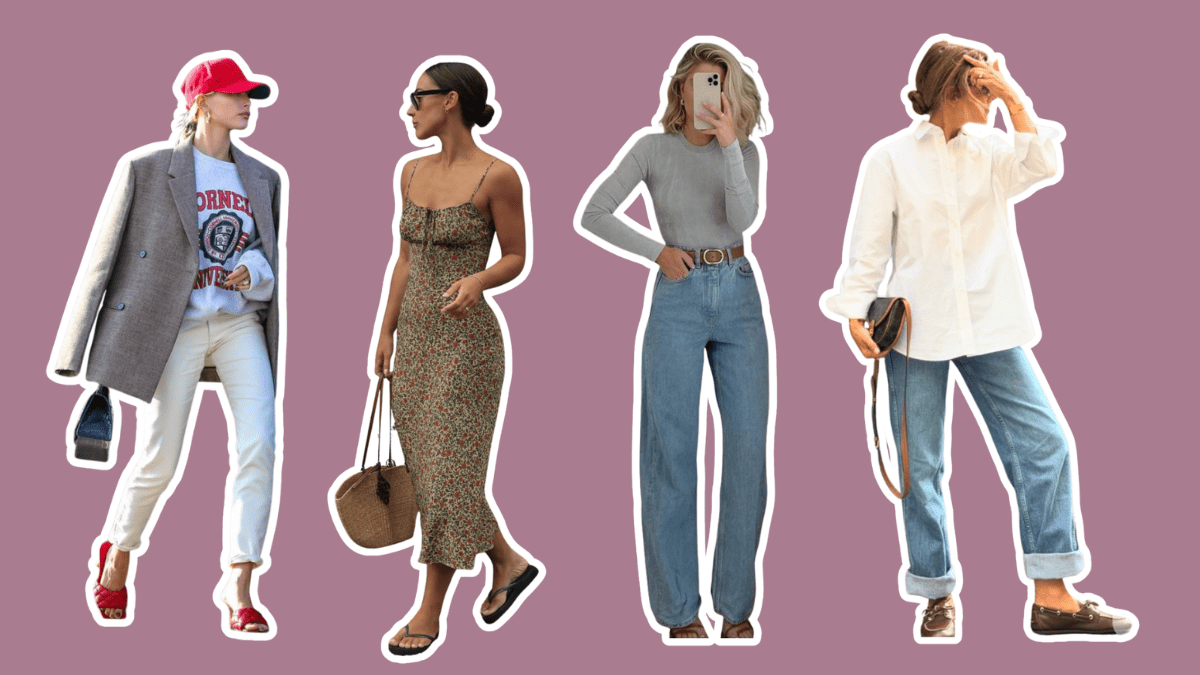
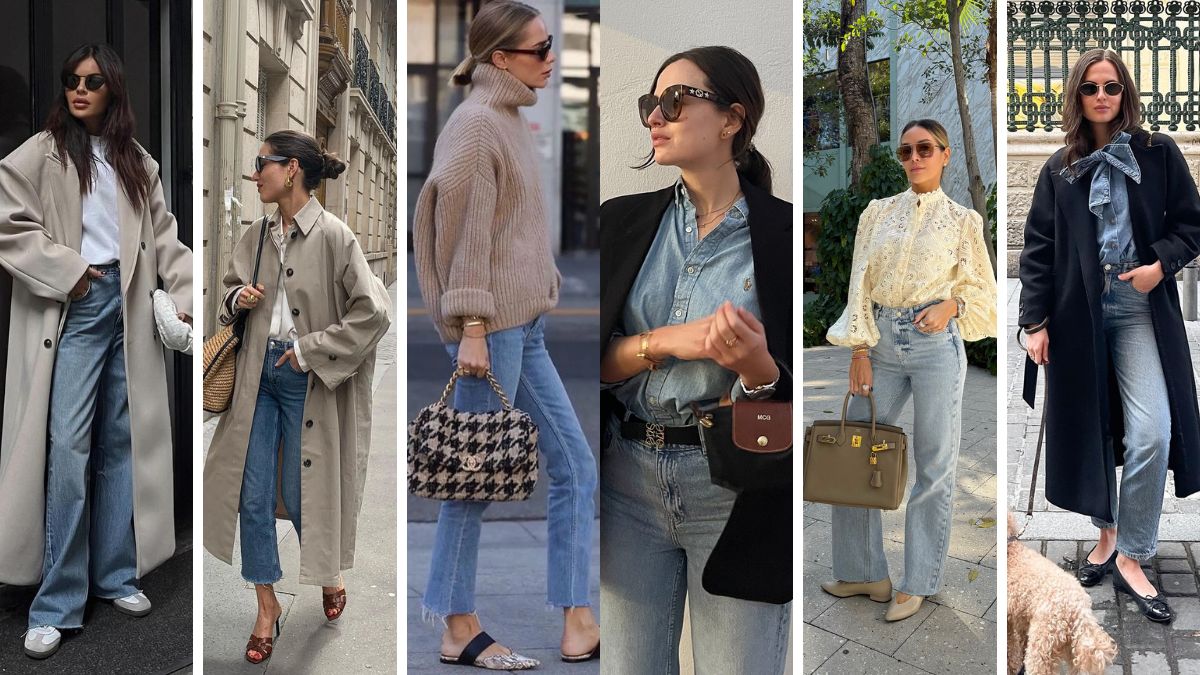
You know that moment when you’re standing in front of your closet, staring at five pairs of blue jeans, and somehow you still can’t figure out what to wear? That’s not a wardrobe problem. That’s a decision-making problem. And that’s exactly what I’m solving today. The Real Problem Nobody Talks About Most style content shows you endless ways to wear jeans. But more inspiration creates more overwhelm. What you actually need is a system that connects your blue jeans to specific situations in your life—class, internship, client meetings, dog walks, dinner dates, casual Fridays. You need to know which pair to grab based on your actual day, not based on what looks good on someone else. Enter a new system. Enter Adjust My Crown. 13 Blue Jeans Formulas for Every Occasion These street style outfits show you exactly how to style an outfit using the blue jeans you already own. Try them and they’ll automatically be saved in your new favorite wardrobe app Adjust My Crown so you can reference them when you’re running late on Tuesday morning. Formula 1: Straight Jeans + Leather Jacket + Pointy Flats Light-wash straight leg jeans, burgundy leather jacket, brown clutch bag, pointy-toe flat mules. This is your comfortable but super chic outfit for errands, coffee meetings, or any time you need to look intentional without overthinking it. The pointy flats elevate the casual jeans while staying walkable. Formula 2: Wide Leg Jeans + Whimsical Jacket + Sneakers Medium-wash wide leg jeans, light blue blazer or even better, a whimsical jacket of any kind, neutral bag, sneakers. When you need put together but fun casual energy, this formula delivers. The wide leg jean balances the femininity and whimsy of the jacket, and sneakers keep you comfortable for your day. Formula 3: Straight Jeans + Fringe Scarf + Statement Belt Light-wash straight jeans, fringed scarf draped over blazer, Gucci belt, tan bag, sneakers. This is how to style an outfit when you want personality without trying too hard. The fringe adds texture, the belt adds structure, and the whole look feels European and effortless. Formula 4: Wide Leg Jeans + Button-Down + Half Tuck Blue relaxed button-down with intentional half tuck, medium-wash high-rise wide leg jeans. I particularly love this blue button-down with the half tuck—it creates waist definition while keeping the silhouette relaxed. Formula 5: Straight Jeans + Long Coat + Tweed Flats Medium-wash straight leg jeans, white tee, camel long duster coat, black tweed flats, structured bag. This formula handles transitional weather beautifully. The long coat creates dramatic vertical lines, the tweed flats add subtle texture, and the whole outfit feels polished. Formula 6: Straight Jeans + Leather Jacket + Pop of Color Medium-wash straight jeans, black leather jacket, pink collared shirt underneath, green crossbody bag, dog walking. Notice the pink collar peeking out—that small pop of color transforms what could be a basic black-and-jeans outfit into something more interesting. Great for weekend errands, dog walks, or casual hangouts. Formula 7: Straight Jeans + Wool Coat + Uggs + Designer Bag Medium-wash straight jeans, solid color sweater, charcoal long wool coat, Uggs, woven Bottega Veneta bag. When you need elevated casual for dinner, drinks, or evening events, this formula works. The woven bag elevates simple pieces, and the long coat adds sophistication without feeling overdressed. Formula 8: Cropped Jeans + Oversized Sweater + Mules Light blue cropped straight jeans with raw hem, cream oversized bubble-knit sweater, pointy-toe mules, Chanel houndstooth bag. Cropped blue jeans showcase your shoes, so this formula only works when your footwear is strong. These jeans are magical on everyone. The oversized sweater balances the cropped hem, and the proportions feel current and comfortable. Formula 9: Wide Leg Jeans + Romantic Blouse + Almond Shaped Flats Light-wash high-waisted wide leg jeans, cream romantic blouse with mock neck tucked in, almond-toe ballet flats, Hermès Birkin. This is feminine, polished, and perfect for occasions where you want to feel put-together—spring events, nice lunches, gallery visits, or any time jeans feel almost too casual but you still want to wear them. Formula 10: Straight Jeans + Wool Coat + Bow Tie Detail Medium-wash straight jeans, navy wool coat, denim shirt with bow tie underneath, black loafers, dog walking. The bow tie detail on the denim shirt adds unexpected interest. This formula handles errands, dog walks, and casual outings where you want to look intentional but not like you spent an hour getting dressed. Formula 11: Dark Jeans + Textured Sweater + White Loafers Dark-wash straight leg jeans, gray textured knit sweater, white loafers. Stunning on Kelly Rutherford, this formula proves dark blue jeans work for more polished situations. The white loafers feel fresh against dark denim, and the textured sweater adds visual interest without complicated styling. Formula 12: Wide Leg Jeans + Oversized Trench + Monochrome Light-wash wide leg jeans, long oversized beige trench coat, white top, white sneakers. When you style your blue jeans with neutral monochrome pieces, the jeans become the focal point. This formula excels for travel, casual meetings, or any day where comfort matters but you still want to look pulled together. Formula 13: Straight Jeans + Blue Blazer + Denim Layering Medium-wash straight jeans, blue blazer, light blue denim shirt layered underneath, brown crossbody bag. Double denim works when you use different washes and weights. The blue blazer adds structure, the denim shirt adds casual texture, and the whole look feels relaxed but considered. I love her attention to detail with her initials on the Longchamp, which I know they’ll do for free in the FSH Paris store. How to Use Adjust My Crown for Your Blue Jeans Your new favorite wardrobe app Adjust My Crown (google link) turns these formulas into your daily system. Take side-by-side outfit selfies to remember these combinations using things from your own closet.  When you connect outfits to your calendar, getting dressed stops being a creative decision and becomes a practical one. Client meeting Thursday? You already know it’s Formula 11.

Read More »
Outfit Decisions

How Do I Build a Capsule Wardrobe from Outfits I Actually Wear?

Quick Answer + Do Today TL;DR: Build a capsule wardrobe by using your last 14 days of real outfits as data: find your most-worn “multiplier” pieces, track which items create the most repeats, then fill only the gaps that double proven combinations. Use your saved photos for outfit ideas for women and faster what to wear decisions—without buying a whole new checklist. Do this: Open your 2-week Collection and tally your most-worn bottoms and tops. Then: Count how many unique pairings each “multiplier” created (that’s your baseline math). Next: Identify one gap that would double a proven combo (not a “nice-to-have”). Stop when: You can create 10–15 repeatable winter outfits without adding “supporting” purchases. AMC move: Post a 2-photo poll (before/after), then save the winner to a Collection called Winter Multipliers (or spring multipliers or whatever the current season is) so you don’t forget what works. How Many Outfits Can I Make from the Pieces I Already Own? You've spent two weeks documenting your daily outfits in Adjust My Crown. You posted front-facing photos every morning. You saved them in a Collection. Now you have fourteen photos showing what you actually wore, not what you wish you wore or what looked good on someone else. That Collection is more valuable than any capsule wardrobe checklist you'll find online. It shows you the pieces your real life already chose. The jeans that appeared six times. The sweater you wore three days in a row. The jacket that went with everything. That's not random. That's data. And now you're going to use it to build a winter capsule wardrobe that multiplies your outfit options instead of limiting them. This isn't about buying ten new essentials. It's about recognizing the multiplication patterns already hiding in your closet. Find Your Most-Worn Bottom and Count Backward Look at your two-week Collection. Which bottom showed up most? For winter, maybe it's your barrel leg jeans (or maybe it's black trousers or a wool midi skirt). Count how many different tops you paired with that one bottom. Let's say you wore those jeans six times with six different tops. That's six outfits from one bottom. Now flip the question. Pick your most-worn top. How many bottoms did it work with? If your cream turtleneck went with three different pants and two skirts, that's five outfits from one top. This is the multiplication principle. You're not building outfits from scratch. You're recognizing which pieces already function as multipliers in your rotation. The goal isn't to force every piece to work with everything. That's the fantasy version of a capsule wardrobe. The goal is to identify your high-performers and understand why they worked so often. Was it the fit? The color? The comfort? The fact that it didn't wrinkle in your work bag after your morning workout? Save Outfit Combinations So You Stop Reinventing The multiplication principle only works if you remember the combinations. You can own twenty pieces that theoretically create fifty outfits, but if you can't recall which tops go with which pants on a Tuesday morning, you'll default to the same three looks. This is where AMC Collections earn their space. When you document an outfit that worked, it's automatically saved with any Comments you added. You can group outfits by Collections you create according to how your mind works: "Winter Work," "Weekend Casual," "Outfits Built from My Black Jeans." Now you have a visual reference library showing which pieces multiply together. Next time you need a work outfit, you don't start from zero. You scroll your "Winter Work" Collection, see that your gray trousers worked with four different sweaters, and pick one. You're not reinventing. You're repeating a proven win. That's how a capsule wardrobe functions in real life. Your Body and Life Matter More Than Formulas A capsule wardrobe formula that works for someone else's body and life won't necessarily work for yours. If you run cold, you need more layers. If you have a long torso, cropped jackets don't multiply your outfits, they limit them. If you work from home three days a week, your casual bottom needs are different from someone who's in an office daily. If you're in college but work in a clothing boutique your needs are different from someone who plays sports for your school or babysits 20 hours a week. The side-by-side photo method doesn't care about universal rules. It shows you what actually worked on your body, in your life, right now. You're not following a ten-piece template. You're building from evidence. If something felt uncomfortable or didn't get worn during your two-week trial, it doesn't belong in your capsule wardrobe, even if it "should" work on paper. Comfort and confidence aren't negotiable. Test everything. Keep only the heck-yes pieces. A maybe is a no. Build Multiplication, Not Collection The traditional capsule wardrobe advice says "buy less." But that's not the insight. The insight is "buy pieces that multiply your existing outfits, not pieces that require new purchases to function." Your two-week documentation shows you which items are already multipliers. Maybe it's your black ankle boots that went with pants, skirts, and dresses. Maybe it's your camel coat that worked over everything. When you shop, you're not filling an arbitrary checklist. You're adding strategic pieces that expand your proven combinations. If you notice your most-worn top only works with one bottom, adding a second compatible bottom doubles those outfits. If your favorite jeans work with four tops, adding a fifth top that works with those same jeans gives you five more outfit options. Thrifting and secondhand become easier when you know your exact multiplication needs. You're not browsing aimlessly. You're hunting a specific shape or color that plugs into your tested system. You know your barrel leg jeans work best with fitted tops. You know your oversized sweater needs a slim bottom. Less guessing. Less returns. More intentional gaps filled with pieces you'll actually wear. Your capsule wardrobe isn't a minimalist performance or a shopping restriction.

Read More »
Outfit Decisions

The Capsule Wardrobe Women Need

Quick Answer + Do Today TL;DR: A capsule wardrobe women need isn’t a checklist; it’s your proven repeats. Track what you wore for 14 days, then keep only what earns its spot. Your daily outfits are the evidence: they reveal what fits your body, your climate, and your real mornings. Do this: Photograph every outfit you wear for 14 days. Then: Notice the pieces that show up 3+ times. Next: Add them to Collections so they’re helpful in the mornings (work, errands, weekend). Stop when: You have 10–15 outfits you can repeat without thinking. AMC move: Post a 2-photo poll (before/after), then save the winner to a Collection called figuring out my spring capsule so you don’t forget what works. Stop Buying More, Start Repeating Wins The traditional capsule wardrobe women find online looks stunning in flat lays. But here's the problem: it's someone else's life. Their climate. Their job. Their body. Their taste. You download the checklist, buy the "essentials," and six months later, half of it sits unworn while you reach for the same five outfits on repeat. A real capsule wardrobe isn't built from a template. It's built from evidence. Specifically, the outfits you actually wore this week. The ones that made you feel put-together. The combinations you reached for without thinking. That's your starting point. If you want a wardrobe that works, stop shopping for an imaginary life. Start documenting your real one. Your Current Rotation Is Your Capsule Blueprint Look at what you wore the last seven days. Those daily outfits aren't random. They're valuable data. They show you what fits your body, matches your routine, and makes you feel like yourself. The problem? Most women never capture that information. They forget what worked. They re-buy similar pieces. They shop for fantasy lifestyles. They lose track of winning combinations. Here's the method: post every outfit you wear for two weeks in an AMC Collection called "figuring out my spring capsule" or whatever you want to call it. Front-facing, full-length, same spot in your home. No posing. No filtering. Just documentation (automatically saved, with Comments underneath, in your own Collections in your own Lookbook). At the end of two weeks, you'll see patterns emerge in your Collection. The jeans you wore four times. The jacket that appeared in half your photos. The shoes that went with everything. Those repeats? That's your real capsule wardrobe. Not the one an influencer said you needed. The one your actual life already chose. Test New Pieces Against Your Proven Wins Once you know what works, adding new items gets easier. But here's the trap: you see something cute in a store, imagine three outfits in your head, buy it, and then… it hangs there. Unworn. Because imaginary outfits don't translate to real mornings when the coffee hasn't kicked in or you're running late. Before you buy anything new, test it. Post a two-photo poll in Adjust My Crown. Photo one: the new piece screenshotted from the retailer's website. Photo two: an alternative from your existing wardrobe that you already own/wear. In your Comments write, "shopping for spring and think I might like this new jacket over this one I wear ALL.THE.TIME. Vote for the new one if you think I should try it." Let other women from around the world vote. If the new item doesn't get strong preference, that's your answer. A maybe is a no. This preshopping poll habit protects your capsule wardrobe from clutter. It keeps your wardrobe tight, intentional, and full of pieces that earn their space. Save Your Best Outfits So You Stop Reinventing Daily The biggest hidden cost of getting dressed isn't money. It's decision fatigue. You stand in front of your closet every morning, trying to remember what worked last Tuesday. You recreate outfits from scratch. You waste mental energy on a solved problem. When you find a winning outfit, one that fits well, feels comfortable, and gets you out the door fast, why not save it? Take a photo. Store it in the AMC Collections feature. Name it something useful: "Client Meeting," "School Pickup," "Weekend Errands." Now you have a visual reference library of your best daily outfits. Next time you need that category, you don't reinvent. You repeat. You scroll your saved combinations, grab the pieces, and go. This is how capsule wardrobes operate. They treat proven outfits like recipes, not one-time experiments. Your Body and Life Stage Matter More Than Universal Rules Body-type advice can be helpful, but it's also limiting. Your proportions are unique. Your comfort zones are personal. Your lifestyle changes. What worked in your twenties won't work in your forties. What fits your office job won't fit your freelance-from-home life. The side-by-side photo method doesn't care about "rules." It shows you what works on your actual body, in your actual life, right now. You're not following someone else's system. You're building your own evidence file. If you're uncomfortable in something, even if it's "flattering" by traditional standards, it doesn't belong in your capsule wardrobe or your closet. Comfort and confidence aren't luxuries. They're requirements. Test everything. Keep only the heck-yes pieces. A girl at the Balzac store in Bordeaux, France told me in her own French way, "A maybe is a no," and that's stuck with me. Stop Shopping, Start Repeating The goal isn't more clothes. It's more clarity. When you know your proven outfits, shopping becomes optional. You're not filling gaps or chasing trends. You're occasionally upgrading a specific role in your rotation. Use the 1:5 rule: for every new item you bring in, you should be able to style it with at least five pieces you already own and love. If you can't, it's not a capsule piece. It's an orphan that'll create more shopping pressure later. Thrifting and secondhand become easier when you know your exact style rules. You're not browsing aimlessly. You're hunting specific shapes, colors, and functions that plug into your tested system. Less guessing. Less returns. Less clutter. More gap

Read More »
Outfit Decisions

How do I declutter my closet for spring and stop buying the same mistakes every year?

Quick Answer + Do Today TL;DR: Build a closet declutter chart from photo proof: review March–June outfits, tally repeats, and sort by cost-per-wear. Use that data for decluttering clothes, then write a short Replace list and a specific Gap list so you know how to shop your own closet before you shop stores. Do this: Scroll March–June photos and tally each item’s appearances. Then: Make 3 piles: Keep (proven), Replace (worn out), Release (never chosen). Next: Write gaps as wearable specs (temp + fabric + shoes + layer). Stop when: You can name 5 outfits per new “gap” item. AMC move: Post a 2-photo poll (before/after), then save the winner to a Collection called Spring Outfits so you don’t forget what works. Your spring closet declutter starts with evidence, not emotion. With this quick method you don't even need a chart or list or rules for wears. Before you touch a single hanger, scroll your camera roll from March through June 2025. Check last spring's Instagram Posts or Snaps. What did you actually wear when it was 68 degrees? What showed up at Mother's Day brunch? What disappeared completely even though you bought it "for spring/summer"? Count how many times that white linen shirt appears versus your "favorite" printed sundress. If those $98 linen pants got worn fifteen times, that's $6.50 per wear. If that $150 maxi dress shows up once in June, you have just proven something about your real life. This photo audit becomes your roadmap for decluttering clothes and shows you exactly how to shop your own closet next season so you don't make or buy the same mistakes twice. Start the photo habit today if you missed last year If you didn't take photos last year, set a daily 8:30am reminder starting today. Take one photo before you leave: shoes on, full outfit in frame. Blur the background and your face if you want. Post it as a poll in Adjust My Crown with a three-word comment: temperature, weather, occasion. Examples: "42° windy, carpool, comfy" or "68° sunny, errands, loved this." Save every poll into a Collection organized by month or temperature range. By May you'll have three months of data. By next January you'll know exactly what you wore during every spring temperature shift, and your 2027 closet declutter chart session will take fifteen minutes instead of three hours. Even starting today, scroll back through January 2025 to now and tally what you've worn on repeat this winter to guide your current sort. Shop for real gaps only after you have proof After decluttering clothes with photo evidence, look at your images for actual gaps. Wore that white tee eight times but it's pilling and stretched? Add "short-sleeve cotton tee, white, fits like old one" to your Replace list. Wore your denim jacket constantly in April but had nothing for 70-degree mornings? Add "lightweight layer for 65-75°, works with jeans and dresses" to your gap list. Be specific "Spring dress" is not a gap. "Midi dress, breathable fabric, works with sneakers and denim jacket" is a gap based on your real outfits. When you're torn between two options, run a pre-shopping poll in Adjust My Crown before you buy. Post two screenshots or fitting room shots side-by-side and let real votes break the tie. 1:5 Rule If you can't name five existing outfits the new piece slots into, you don't need it yet. Your closet doesn't need more "nice things" sitting unworn. It needs connectors that make your proven favorites work harder. That's how to shop your own closet first and shop stores smarter second. What should I look for in my camera roll before decluttering? Check March–June photos and tally what you actually wore at common spring temps and events. Repeats and cost-per-wear tell you what to keep, replace, or release. What if I don’t have outfit photos from last spring? Start now with one daily outfit photo plus notes (temperature, weather, occasion). You can also review photos from January 2025 to today to identify current repeats. How do I tell a real gap from a shopping craving? A real gap shows up in your photos as a missing connector (layer, shoe, or basic) that would improve outfits you already wear. Write it as a specific spec, not a vague category. What is the 1:5 rule? If you can’t name five existing outfits the new item fits into, don’t buy it yet. This filters out “nice things” that won’t earn repeat wears. When should I stop decluttering and start shopping? Stop when your Replace list is clear and your Gap list is specific and small. Shop only for items that solve proven outfit problems, not imagined ones.

Read More »
Outfit Decisions

What Should I Wear When I Don’t Know How Dressy to Be?

Quick Answer + Do Today TL;DR: When you’re unsure how dressy to be, build a “swing” outfit around power pieces that read elevated and casual. Start with what should i wear rules: add shine (metallic or embellished flats), use your best jeans to ground it, and finish with a silk/satin blouse. For what should i wear today panic, keep one outfit that can choose your outfit for you fast. Do this: Pick one “power piece” (metallic flats, embellished flats, great jeans, or a silk/satin blouse). Then: Build two versions: one notch dressier, one notch more casual. Next: Swap only ONE element (shoe, top, or blazer) to adjust the vibe. Stop when: Both versions look intentional, not “trying to guess.” AMC move: Post a 2-photo poll (before/after), then save the winner to a Collection called not sure how dressy?? or power pieces so you don’t forget what works. Power Pieces that Straddle Dress Codes You get an invitation. It says "dressy casual" or "festive attire" or worse, nothing at all. You text three friends. You google it. You're still panicking and "what should I wear?" is on a constant loop in your mind. A black tie dress is obviously too much. But jeans and a sweater might be too little. Maybe you're meeting a new group of friends for dinner and you don't know how they treat dinner dressing. And once you're there, you can't undo it. The goal isn't to nail the exact dress code. The goal is to wear pieces that work no matter which way the room swings. That means you stop shopping for "the perfect outfit" and start shopping your closet for some power pieces that look equally right dressed up or dressed down. What Makes a Power Piece Actually Work A power piece isn't neutral. It's not boring. It's a piece that carries visual weight in both directions. A cocktail dress with heels is a full dressy look—it can't swing casual. A plain tee and sneakers can't swing dressy. But a metallic flat can. A great pair of jeans can. These pieces let you show up confident because they adapt to the room, not the other way around. If you're stuck between two versions of an outfit, post a side-by-side poll in Adjust My Crown before you leave. Real votes tell you which one feels more like you. The winner is saved for the next time you're in this situation. Power Piece 1: Metallic Flats Metallic flats are the Swiss Army knife of what should i wear today decisions. The metallic finish reads as party. It's shiny. It catches light. It says you made an effort. But it's also a flat, which keeps it grounded. If the room turns out to be more casual than you thought, you're fine, because flats never feel overdressed the way a stilleto could. Pair them with a silk blouse for a dressier swing. Pair them with dark jeans, a fitted tee, and a scarf for casual. Either way, the metallic does the work. You look intentional, not confused. Power Piece 2: Embellished Flats Embellished flats work the same way. Think bows, crystals, studs, velvet, patent leather—anything that adds a little visual interest. The embellishment says festive. The flat says practical. Together, they say you knew exactly what you were doing. These work especially well when you're worried about being too casual. Throw them on with dark jeans and a blazer, and suddenly your jeans don't read sloppy—they read editorial. The shoes do the elevating. Power Piece 3: Your Favorite Jeans Yes, jeans. But not just any jeans—your best-fitting, most-flattering pair. The ones that make you feel pulled together even when you're not trying. Jeans feel casual by default, but paired with a silk cami, metallic flats, a structured blazer, or a sequined top, they swing dressy fast. This is the outfit move that saves you when you truly cannot figure out the vibe. Jeans ground the look. The top elevates it. And if everyone else is in dresses, you look like you choose your outfit on purpose, instead of like you missed the memo. Run a poll if you're not sure which top works better. Wear the combination that gets the most votes. That's your repeatable go-to for the next unclear invite. Power Piece 4: A Silk or Satin Blouse A silk or satin blouse in a rich color—burgundy, emerald, navy, even cream—carries enough visual weight to dress up anything. Tucked into trousers with heels, it's polished and dressy. Tucked into jeans with flats, it's effortless but elevated. The fabric does the work. Look for something with a little drape or a subtle sheen. Avoid anything too stiff or obviously "work blouse." You want a piece that feels special but doesn't scream occasion. This is the top you reach for when you need to look like you tried—but not like you overthought it Build A Versatile Wardrobe, Not One-Time Outfits The reason 'what should i wear' feels so stressful is because most of us build outfits for specific events, and then never wear them again. That's expensive & exhausting. And it fills your closet with things that only work once, and need to be decluttered. Power pieces work because they repeat. You wear them multiple ways. You test combinations in side-by-side photos. They're saved into Collections in Adjust My Crown so you're not starting from scratch next time. And over time, you stop needing to guess the dress code, because your wardrobe is built to swing either way. What should I wear if the invite has no dress code? Start with a “swing” base (great jeans or a simple dress) and add one elevating power piece like metallic/embellished flats or a silk/satin blouse so you can read the room without looking unsure. Can I wear jeans to a dressy dinner? Yes—if they’re your best-fitting pair and you elevate the rest: silk/satin on top, a structured blazer, or a festive shoe. The goal is intentional contrast, not “I forgot to

Read More »
Outfit Decisions

Casual Outfit Ideas for Spring: 4 Poll Formulas for Cute Outfit Ideas

Quick Answer + Do Today TL;DR: For casual outfit ideas for spring that don’t look random, use one clear formula and only swap one variable at a time. Pick one “shape” piece, then add one anchor that looks intentional. Poll your options so cute outfit ideas become repeatable, and keep outfit ideas jeans to one clean look so getting dressed stays simple. Do this: Build two outfits with the same base silhouette. Then: Change only one thing (shoe OR bag OR waist definition). Next: Post both in AMC as a quick poll. Stop when: The winner looks “finished.” AMC move: Post a 2-photo poll (before/after), then save the winner to a Collection called Spring Casual Outfit Ideas so you don’t forget what works. 1 Jean Outfit and Only 1 Spring Floral Shown If winter was “don’t get swallowed by layers,” spring is “why does this look random when the pieces are cute?” Spring outfits can go sideways fast because the layers are lighter (but still necessary), the proportions show more, and suddenly your outfit feels unfinished. One fix is the same as yesterday’s winter post: balance volume and make one thing look intentional. The difference is spring volume comes from shape (sleeves, peplum, wide-leg pants, flowy dresses), not bulky coats. Open the Adjust My Crown app, post two options, and let the vote tell you which look is actually giving “polished” instead of “close enough.” The winner is automatically saved, because cute outfit ideas aren’t helpful if you can’t repeat them quickly and easily. Poll Formula #1: Outfit ideas jeans = jeans + a pretty top + one grown-up accessory This is the easiest spring upgrade when you want outfit ideas jeans that still feel fresh. The jeans keep it casual, the pretty blouse brings the “cute,” and the structured bag makes it look intentional instead of basic. This is the sweet spot for spring casual outfit ideas: comfortable, not boring. In the Adjust My Crown app, poll this exact formula by swapping only one piece: pretty blouse vs plain tee. Let the votes tell you what looks best on your body and save the winner. Poll Formula #2: Wide pants need a waist (or they start looking sleepy) These are the spring pants everyone loves… until they feel like pajamas. The fix is right here: define the waist with a tie, belt, or shaped top so the volume looks styled instead of accidental. This is how you get cute outfit ideas that still feel polished. In Adjust My Crown, post two versions: wide-leg pants with a waist-defining top vs wide-leg pants with a boxy top. The vote will make the decision for you, and then you save it for next time (because spring is too chaotic to reinvent outfits daily. The temperature swings are so dramatic that it’s a lot easier to come up with a spring outfit if you’ve been saving them with the temperature in the Comments). Poll Formula #3: Loose + loose is allowed… but only if it’s clean and sharp This is the spring rule-buster: loose top + loose pants can absolutely work. But it only works when the pieces are crisp, the colors are simple, and the finishing details aren’t sloppy. The shirt tuck shows that there is a waist. This is one of those spring casual outfit ideas that looks cool in theory and tragic in the wrong fabric. In the Adjust My Crown app, poll the “clean factor”: same outfit with a sleeker shoe vs a clunkier shoe, or structured bag vs slouchy bag. Tiny tweaks, big results. Poll Formula #4: Spring dresses aren’t “done” until you add one anchor These dresses are proof that spring style can be effortless… but not lazy. A dress is a full outfit, yes, but it still needs one anchor so it doesn’t look like “I threw this on and ran.” The anchor can be a bag, a shoe choice, a belt, or even just a more intentional silhouette. These are cute outfit ideas that get even better with one small styling decision. In Adjust My Crown, post the dress with two shoe options (flat vs sandal, sneaker vs sandal) and save the winning combo so you always know what to wear when spring weather can’t make up its mind. AMC Move (use this weekly in spring) Save spring outfits in a Collection called Spring Casual Outfit Ideas, Cute Outfit Ideas, or Outfit Ideas Jeans, with the temperature (and anything else important to you) under the pictures, so getting dressed becomes a repeatable system, not a daily debate. What’s the easiest spring formula when you want to look “put together”? Pick one main piece that sets the vibe, then add one grown-up anchor (structured bag, sleek shoe, or defined waist). Keep everything else simple so the look reads intentional. How do I wear wide-leg pants without looking sleepy? Give them a waist: belt, tie detail, or a shaped top that shows where your torso ends. Then keep the shoe clean so the volume looks styled, not slouchy. Can loose top + loose pants work in spring? Yes, as long as the fabrics are crisp and the finishing details are sharp. Add a tuck (full or half) and choose one structured element (shoe or bag) to prevent “unfinished” energy. How do I make a spring floral dress look styled, not tossed on? Add one anchor: a belt, a sharper shoe, or a structured bag. Poll two versions (same dress, different anchor) and save the winner so you always know the “finished” combo. What’s the best way to run an outfit poll so the results are actually useful? Change one variable at a time and keep everything else identical. Save the winning combo with a note about the temperature so you can repeat it on a similar day. The incomparable Kelly Rutherford featured prominently in images.

Read More »
Outfit Decisions

What Should I Wear Shopping So I Don’t Buy the Wrong Stuff?

Quick Answer + Do Today TL;DR: A smart shopping outfit is a “try-on uniform” that mirrors what you actually wear, so items have to work with your real-life basics (not store lighting or mannequin styling). Build your shopping day outfit from your most-worn pants, throw-on shoes, correct bra, and baseline top, then use a quick pairing test to decide how to shop for clothes without duplicates or regret. Do this: Wear your most-worn pants + throw-on shoes (errands-level, not “special occasion”). Then: Add your correct everyday bra and your baseline top (the one you repeat most). Next: In the fitting room, test every item with your uniform and ask, “What 3 things at home will I wear this with?” Stop when: You can name 3 real outfits you’ll repeat (or it’s a no). AMC move: Post a 2-photo poll (before/after), then save the winner to a Collection called Try-On Uniform so you don’t forget what works. How does my shopping day outfit stop dressing room delusion and closet clutter? Your shopping outfit is about preventing dressing room delusion—that moment when something looks amazing under store lighting with coordinating pieces nearby (instead of things you own), then you get it home and it matches nothing (and you're dressing like a store mannequin which is boring and other people will show up in the same look). The item wasn't wrong. Your testing environment was. So you grabbed all the pieces around the item. Now you look like a walking brand advertisement. The Try-On Uniform solves this by turning your shopping day outfit into a repeatable formula that represents your actual life. Not your aspirational life. Your real Tuesday morning default. This one shift catches bad purchases before you buy them and eliminates return regret before it starts. Why Most Records of What You Own Fail When You're Shopping Using your phone's Photos app: You're hunting through vacation pics and screenshots to find that one photo of your favorite jacket—no organization, no search function, no pattern recognition. Relying on memory: You forget the four pink sweaters already hanging in your closet and which neutrals you actually reach for versus the ones gathering dust. Layflat outfit-planning apps: You spend 40 minutes arranging theoretical outfits on your bed instead of learning what you actually wear—they don't capture real body feedback or show which combinations you repeat. Adjust My Crown is different because it captures real wear data. When you post side-by-side polls, those outfits auto-save to Collections. Over time, you build a searchable archive of your true style defaults, on your own body which shows your proportions, which is exactly the data you need when shopping for clothes. How to Use AMC While Shopping Before you go: Collections show you what you never wear, which prevents repeat mistakes. If you own five pairs of black pants but only one appears in Collections, stop buying black pants. You can also run preshopping polls on items you're considering—post screenshots and let your community vote before you drive to the mall. During your trip: Scroll through Collections while standing in the fitting room. Search for "pink" or "cold weather" if you tagged your polls. Trying on another pink sweater? Check how many you already own and actually wore. Maybe that justifies it, or maybe you should buy the olive green option that matches the scarf you wear constantly. Take fitting room photos and post real-time polls if you want opinions. The side-by-side format forces clarity: "New skirt with my daily sneakers vs. new skirt with boots I never wear." The Five Try-On Uniform Rules 1. Wear your most-worn pants—not your favorite, the ones you grab three times a week. Check Collections to confirm. 2. Wear your throw-on shoes—the ones for errands and pickup, not the heels that never appear in your saved outfits. 3. Wear the correct bra—if the new item requires a strapless bra you don't own, that's a $60 add-on cost. 4. Wear your baseline top—the white tee, fitted tank, blue button down, black sweater that appears in Collections most often. 5. Check Collections in the store—before you buy, ask: Do I already own this? Do I wear items like this? What will I pair this with at home? What to Do Tonight Open Adjust My Crown and scroll through Collections. Write down the three items that repeat most often. That's your Try-On Uniform. If you don't have enough data yet, start posting daily polls this week—even for outfits you're sure about. You're building evidence that prevents regret purchases later. Save it in a Collection called "Try-on Uniform". Next time you go shopping, wear that uniform and open Collections in the fitting room. If something looks good with your real defaults and doesn't duplicate what you already wear, and you love it, it's a heck yes. If it only works with items you never reach for, it's a no. The dressing room mirror can lie, but your Collections data doesn't. What should I wear shopping if I’m buying tops? Wear your most-worn pants, your everyday bra, and your default shoes so tops are forced to work with your real proportions and daily styling. How do I avoid “dressing room delusion” under store lighting? Stop styling items with the store’s perfect add-ons. Use your try-on uniform and only say yes if it works with your real-life basics in a fast 3-outfit test. What’s the fastest rule to stop closet duplicates while shopping? Check what you already repeat (your saved outfits/Collections), then don’t buy another version unless it clearly replaces a worn-out workhorse or fills a proven gap. Should I take fitting room photos when I shop? Yes, if you use them for decision-making (not perfection). Take two quick comparison photos and either run a poll or compare “with my daily shoes” vs. “with fantasy shoes.” How do I know when something is a “heck yes”? If it works with your uniform, you can name three repeatable outfits, and it doesn’t duplicate what you already wear, it’s

Read More »