
How To Put Together an Outfit: The Third Piece, Styling with Outfit Points
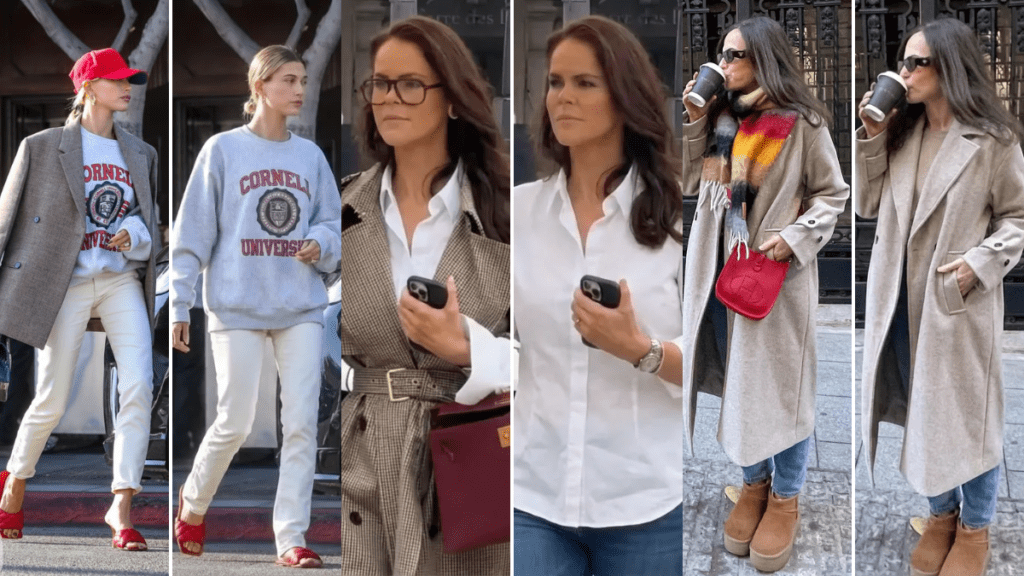
and the One Move Most Women Skip I have been helping women get dressed for more than twenty years, and here is the truth: It is never the new purchase that “changes everything”. It is usually an older (beloved?) piece, used properly. A bracelet you forgot about. A belt you have not touched in two years. Boots that are several years old that you never thought to wear with that dress. Bold hoops you wore so much then got tired of and just found again. A vest. A sharper bag. A collar with pearls on it you bought from H&M years ago under a sweater. A watch that suddenly looks better with a beaded bracelet next to it. After you’ve added the beloved piece, you style. You cuff pants. You tuck a sweatshirt. That is what changes the outfit. Not because it is new. Because it gives the eye somewhere to land. Most women do not look boring because their clothes are basic. They look boring because they stop styling one move too soon. That is where the third piece rule can help. That is also where it gets misunderstood. In classic styling language, a third piece is usually a layer. A blazer. A cardigan. A vest. A jacket. Something that changes the structure of the outfit. In real life, people often use the phrase more loosely to mean any extra styling element. I think it helps to separate the two. A third piece adds structure.An outfit point adds visual interest. That distinction matters, because it gives you a better answer to how to put together an outfit that feels finished without looking overdone. When you live in a warmer climate or are in summer/early fall, you’d melt with a third piece that fits within the classic styling language. Thinking about ‘points’ is helpful in all climates or in all seasons. Look at these pics of the beautiful Hailey Bieber. In the first side-by-side pic (Are the side-by-side outfit selfies Adjust My Crown’s most helpful feature?), the third-piece is removed but the outfit is still fully styled (hoops + front tuck + hat + rolled cream jeans). Just adding a third-piece to the unstyled outfit wouldn’t have been as magical as the styled plus third piece outfit. Do you see how “Add a third piece” is incomplete advice? Start here: outfit points are the places the eye lands This is the cleaner framework. Reading this post first will help. An outfit +1 is what you more or less expect to see. The base. The obvious part. A simple dress. A shirt and pants. A sweater and jeans. Necessary, fine, functional. An outfit +2 is where the eye lands. That point might come from shape, shine, contrast, structure, texture, or movement. You are not trying to decorate yourself like a holiday mantel. You are trying to give the outfit a little visual rhythm. The only ‘third-piece’ on that list was a vest but they’d all enhance the outfit. That is why this works. The eye needs a few places to stop. What the third piece rule gets right, and where it gets sloppy The third piece rule gets repeated because there is truth in it. You start with a base: Then you add one more thing, and the outfit often looks more complete. Fine. True. But the problem is that the phrase gets stretched until it means basically any extra object a woman puts on her body. At that point, it stops being useful. A blazer is not doing the same job as a necklace.A vest is not doing the same job as sunglasses.A jacket changes the shape of the outfit and a bracelet changes the emphasis. Both can help. They are just doing different work. That is why I prefer this breakdown: Every third piece can create a point. Not every point is a third piece. That is the cleaner way to think. Most women do not need more clothes. They need one better move This is the part that matters in real life. I cannot tell you how many times a client thought she needed to shop, when what she really needed was to change the bag, add the belt she had not touched in two years, or pair a dress with boots she had not worn in years and did not realize she could wear with a dress. That is the shift. Not more clothes. Better use of the ones already there. A lot of style advice quietly assumes the answer is acquisition. New top. New shoe. New trend. New personality, apparently. Usually not. Usually the outfit is close. It just needs one more deliberate move. See how the red bag and red scarf quietly shift the outfit? It looks resolved. It looks finished. It looks styled. Not louder.Not busier.More resolved. That is why so many women think they have nothing to wear when the real problem is that they keep wearing the same combinations at the same level of finish. They are not out of clothes. They are out of fresh eyes. A good outfit usually has a base, then a few places for the eye to land This does not need to become math, or a burdensome idea, but the logic is useful. You start with the base. The expected pieces. Your +1s. Then you ask: does this outfit need one point of interest, or two? That is it. Sometimes the answer is a true third piece: Sometimes the answer is not a layer at all: And sometimes the answer is nothing. That part matters too. Because the goal is not to add. The goal is to finish. Some outfits need one more point. Some need restraint. There is a difference. One tiny example that proves the point A woman puts on: Perfectly fine. No issue. Also easy to forget five seconds later. Now add: Same woman. Same base. Very different result. The outfit has shape now. It has contrast. It has a few places